
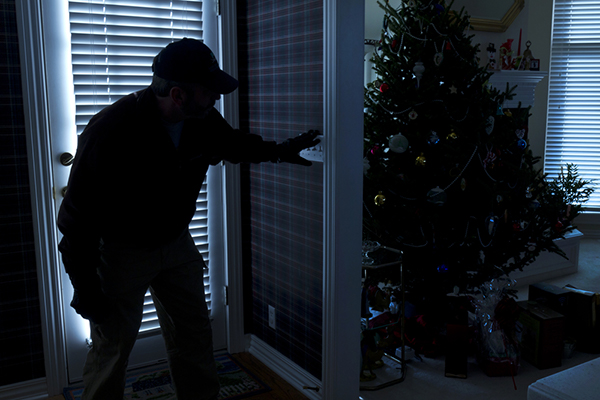
Falling victim to a moving scam is one of the most costly and stressful mistakes people make when relocating, but it’s entirely preventable with the right knowledge and preparation.
Table of Contents
- Why Moving Scams Happen
- Common Moving Scams and Red Flags
- Steps to Choose a Legitimate Mover
- Mistakes to Avoid When Hiring Movers
- Protecting Yourself During the Move
- Frequently Asked Questions
- Key Takeaways
Why Moving Scams Happen
Moving scams occur because the moving industry is less regulated than many people realize. Unscrupulous companies take advantage of busy, overwhelmed consumers who are under pressure to choose a mover quickly. Scammers often target first-time movers, seniors, and families relocating long distance, but anyone can be at risk.
Most scams happen when people don’t verify credentials, accept vague estimates, or rush into hiring based on price alone. Understanding how these scams work is the first step to avoiding them.
Common Moving Scams and Red Flags
Here are some of the most frequent scams and warning signs to watch for:
- Lowball Estimates: Movers quote a price far below competitors, then demand much more money after loading your belongings.
- Hostage Loads: Your items are loaded onto the truck, and the mover refuses to deliver them unless you pay extra fees.
- No Written Contract: The company avoids giving you a written estimate or contract, making it easy to change terms later.
- No Physical Address: The mover has only a website or phone number, with no local office or warehouse you can visit.
- Unmarked Trucks: Reputable movers use branded vehicles; scammers often arrive in rental trucks with no company logo.
- Large Deposits Required: Legitimate movers rarely require more than a small deposit. Demanding cash or a big upfront payment is a red flag.
- No License or Insurance: Interstate movers must have a USDOT number. Local movers should have state or local licenses and proper insurance.
Professional Insight: In my experience, the biggest red flag is a mover who pressures you to book immediately or pay in cash. Take your time and do your homework.
Steps to Choose a Legitimate Mover
Follow these steps to confidently select a trustworthy moving company:
1. Start Early and Research Thoroughly
Begin searching for movers at least 6–8 weeks before your move date. This gives you time to compare options, check reviews, and avoid the pressure of last-minute decisions.
2. Get Multiple In-Home or Virtual Estimates
Request at least three written estimates from different companies. Reputable movers will want to see your belongings in person or via video call before quoting a price. Avoid movers who give quotes over the phone without seeing your items.
3. Verify Credentials
- For interstate moves, check the mover’s USDOT number at FMCSA’s website.
- For local moves, confirm state or local licensing requirements and ask for proof of insurance.
- Look up the company’s complaint history with the Better Business Bureau and online review sites.
4. Read the Fine Print
Carefully review the contract and estimate. Make sure it lists all services, fees, and the delivery window. Ask questions about anything you don’t understand.
5. Avoid Large Deposits
Most reputable movers require only a small deposit or none at all. Never pay a large sum upfront, especially in cash or via wire transfer.
6. Ask About Insurance and Claims Process
Understand your coverage options. Basic “valuation” is not the same as full-value protection. Ask how to file a claim if something is lost or damaged.
7. Trust Your Instincts
If something feels off—such as pushy sales tactics, evasive answers, or inconsistent information—look elsewhere. It’s better to walk away than risk your belongings and money.
Mistakes to Avoid When Hiring Movers
Many moving mistakes stem from rushing or skipping key steps. Here are common errors and how to prevent them:
- Choosing Based on Price Alone: The cheapest quote often hides extra fees or poor service. Balance cost with reputation and reliability.
- Not Checking Credentials: Always verify licenses and insurance. Don’t just take the company’s word for it—look them up independently.
- Ignoring Reviews and Complaints: Read recent reviews, not just star ratings. Look for patterns of complaints about lost items, delays, or unexpected charges.
- Skipping the Written Estimate: A verbal quote is worthless if disputes arise. Insist on a detailed, written estimate.
- Not Asking About Subcontractors: Some companies outsource moves to third parties. Know who will actually handle your belongings.
- Packing Mistakes: If you’re packing yourself, use sturdy boxes and label everything. Poor packing can lead to damage and disputes over liability.
- Bad Timing: Booking movers too late limits your options and increases the risk of falling for a scam due to desperation.
Insider Tip: A legitimate mover will never rush you through the process. They’ll answer your questions patiently and provide all documentation upfront.
Protecting Yourself During the Move
Even after booking a mover, stay vigilant. Here’s how to protect yourself on moving day and beyond:
- Inventory Your Belongings: Make a detailed list of everything you’re moving. Take photos of valuable items for proof of condition.
- Keep Important Documents and Valuables With You: Don’t pack passports, jewelry, or vital records in the moving truck.
- Supervise the Loading Process: Be present when your items are loaded and unloaded. Confirm that everything is handled as agreed.
- Get Contact Information: Have the driver’s name, phone number, and the truck’s license plate for reference.
- Review the Bill of Lading: This is your official contract. Don’t sign it until you’ve checked all details and are satisfied with the terms.
If any issues arise, contact the mover immediately. For interstate moves, you can also file a complaint with the FMCSA.
Frequently Asked Questions
-
How can I check if a moving company is licensed?
For interstate moves, search the company’s USDOT number on the FMCSA website. For local moves, check with your state’s regulatory agency.
-
What should I do if a mover demands more money after loading my items?
Refuse to pay until you clarify the charges. Contact local authorities or the FMCSA if you suspect a scam.
-
Is it safe to pay a deposit to reserve my moving date?
Small deposits (10–20%) are normal, but avoid large upfront payments, especially in cash or by wire transfer.
-
How do I protect my valuables during a move?
Keep valuables, important papers, and sentimental items with you, not in the moving truck.
-
What if my belongings are damaged or lost?
File a written claim with the mover as soon as possible. Review your contract for details on coverage and deadlines.
Key Takeaways
Avoiding moving scams and choosing a legitimate mover comes down to careful research, verifying credentials, and trusting your instincts. Don’t rush the process, always get written estimates, and stay alert for red flags like lowball quotes or requests for large deposits. By following these steps, you can protect your belongings, your budget, and your peace of mind.
For a safe, stress-free move, take a few minutes to compare free moving quotes from vetted companies on Quick Moving Quotes. Your move deserves the best start possible.
About the Author
This article was written by the team at Rex Direct, the owners of QuickMovingQuotes.com.
Rex Direct supports businesses and consumers throughout the moving industry by providing technology and data solutions that help homeowners compare moving services, understand pricing, and make informed relocation decisions.
Through their work with movers, relocation platforms, and lead generation services, the Rex Direct team has developed extensive insight into how interstate moving companies operate and how consumers can protect themselves during the moving process.