
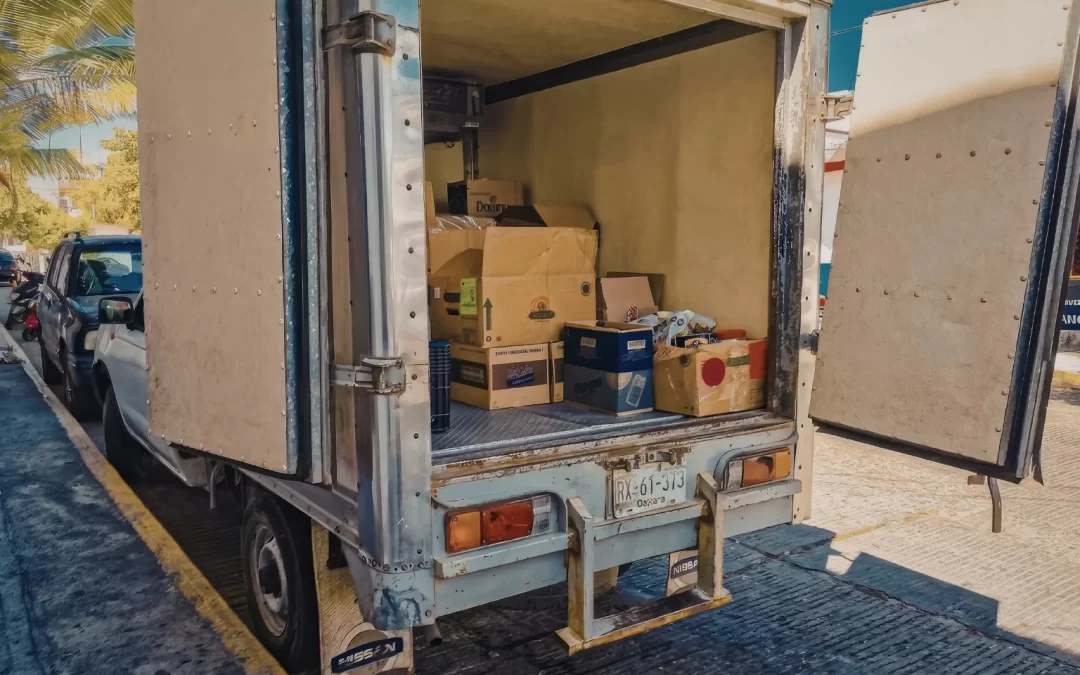
Cross-country moving companies help you move your belongings long distances (typically 1,000+ miles) by handling packing, loading, transportation, and delivery. Costs and timelines can vary widely depending on distance, home size, and services, but many long-distance moves fall somewhere in the low-thousands to several-thousand-dollar range. Larger homes or full-service moves can exceed this. Planning ahead—usually several weeks in advance—helps you compare options and avoid rushed decisions.
Planning a cross-country move can feel overwhelming, especially when you’re trying to estimate costs, choose a reliable mover, and avoid delays or damage. This guide explains how long-distance moving works, what to expect at each stage, and how to decide whether hiring a moving company is the right choice for your situation.
Table of Contents
- What Cross Country Moving Companies Actually Do
- Common Challenges and Mistakes
- What to Do First: Step-by-Step Planning
- What to Expect from a Cross-Country Move
- Hiring Movers vs DIY Moving
- Costs and How Quotes Work
- How to Compare Moving Companies
- Ways to Save Money
- What Can Go Wrong
- Decision Guide
- Frequently Asked Questions
- Summary and Next Steps
What Cross Country Moving Companies Actually Do
Cross-country moving companies coordinate the transportation of your household goods across long distances, often involving multiple states and shared logistics networks. Unlike local moves, these services require more planning, flexible timing, and coordination.
Expectation to understand: Cross-country moves typically involve shared truck space and delivery windows rather than exact delivery dates, so timing is less precise than many people initially expect.
- Loading and unloading: Handling furniture, boxes, and heavy items
- Transportation: Long-distance trucking across state lines
- Basic valuation coverage: Limited protection included by law
- Optional services: Packing, storage, specialty item handling
Common Challenges and Mistakes
- Starting too late: Limits availability and can increase costs
- Choosing based only on price: Lower quotes may hide reduced service quality or extra fees
- Expecting exact delivery dates: Most long-distance moves operate within delivery windows
- Not decluttering first: More weight increases cost and complexity
What to Do First: Step-by-Step Planning
- Clarify your timeline: Identify approximate move-out and move-in dates
- Declutter early: Reduces cost and improves quote accuracy
- Request multiple quotes: Compare at least 3–5 companies
- Verify credentials: Check licensing, reviews, and complaint history
- Book in advance: Ideally several weeks before your move
What to Expect from a Cross-Country Move
Most cross-country moves follow a structured process, but timing and logistics can vary depending on route, demand, and scheduling.
- Planning phase: Typically begins several weeks before your move
- Move-out day: Loading, inventory tracking, and documentation
- Transit: Multi-day transport that depends on distance and routing
- Delivery window: Usually spans several days or longer rather than a fixed date
It’s important to keep essential items—such as documents, medications, and basic clothing—with you in case of delays.
Hiring Movers vs DIY Moving
- Hire movers if: You have a larger home, limited time, or want to reduce physical strain
- DIY or hybrid options if: You have a smaller move, tighter budget, and more flexibility
Costs and How Quotes Work
Cross-country moving costs vary significantly based on distance, shipment size, services, and timing.
- Main cost factors: Distance, weight/volume, and selected services
- Additional charges: Stairs, long carries, storage, and specialty handling
- Estimate types: Binding, non-binding, and binding-not-to-exceed
Because pricing structures differ between companies, comparing detailed written estimates is the most reliable way to understand your expected cost.
How to Compare Moving Companies
- Verify USDOT registration and interstate licensing
- Check consistent review patterns across multiple platforms
- Compare services and terms—not just total price
- Ask about delivery windows and claims processes
Ways to Save Money
- Reduce what you move before requesting quotes
- Schedule your move during less busy periods if possible
- Handle some packing yourself where practical
- Compare multiple quotes before making a decision
What Can Go Wrong
- Delivery delays: Can occur due to routing, demand, or logistics
- Damage or loss: Reduced by proper documentation and coverage
- Unexpected fees: Often tied to access challenges or changes in scope
Choosing a well-reviewed, properly licensed mover and documenting your items before the move can significantly reduce these risks.
Decision Guide
Quick Decision Snapshot
- Hire movers: Larger home, limited time, or preference for convenience
- DIY or hybrid: Smaller move, tighter budget, and flexible timeline
- Get quotes now: If your move is within the next 6–8 weeks
When to take action
- Your move timeline is within the next 1–2 months
- You need to secure availability during a busy season
- You want to compare pricing before committing
Frequently Asked Questions
How much does a cross-country move cost?
Costs vary widely depending on distance, shipment size, and services. Many moves fall within a broad range from a few thousand dollars upward, but the exact cost depends on your specific situation.
How far in advance should I book movers?
Booking several weeks in advance is recommended, especially during busy moving seasons when availability is limited.
How long does delivery take?
Delivery is typically scheduled within a multi-day window rather than a fixed date. The length of that window depends on distance, routing, and overall demand.
Are my belongings insured?
Basic valuation coverage is included but limited. Many customers choose additional protection for higher-value items.
How do I verify a moving company?
Check for a valid USDOT number, proper licensing, consistent reviews, and clear written estimates with defined terms.
Summary and Next Steps
Cross-country moving companies simplify long-distance relocations by handling transportation, labor, and logistics, but costs, timing, and service quality can vary significantly. Planning ahead, reducing what you move, and comparing multiple reputable companies are the most effective ways to stay on budget and avoid common problems.
If your move is within the next 1–2 months, your next step should be to request multiple detailed quotes now. Waiting too long can limit availability, increase costs, and force rushed decisions. Starting early gives you more control, better pricing options, and a smoother overall move.
About the Author
This article was written by the team at Rex Direct, the owners of QuickMovingQuotes.com.
Rex Direct supports businesses and consumers throughout the moving industry by providing technology and data solutions that help homeowners compare moving services, understand pricing, and make informed relocation decisions.
Through their work with movers, relocation platforms, and lead generation services, the Rex Direct team has developed extensive insight into how interstate moving companies operate and how consumers can protect themselves during the moving process.