
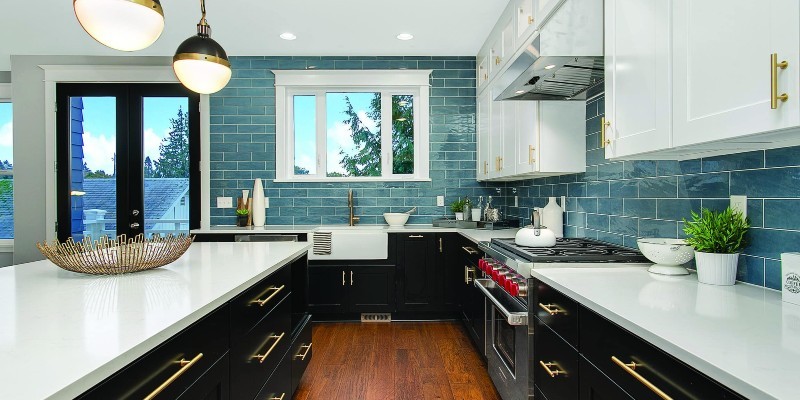
Overlooking a thorough rental walkthrough before move-in can lead to costly disputes, lost deposits, and unnecessary stress. As a moving expert, I’ve seen renters face headaches that could have been avoided with a careful inspection and clear documentation. Whether you’re moving across town or relocating long-distance, knowing exactly what to look for during your rental walkthrough is essential for protecting your rights and starting your new chapter on the right foot.
Table of Contents
- Why Rental Walkthroughs Matter
- When to Do Your Walkthrough
- Essential Rental Walkthrough Checklist
- Documentation Tips and Tools
- Common Mistakes to Avoid
- Walkthrough Tips for Local vs. Long-Distance Moves
- Frequently Asked Questions
- Key Takeaways
Why Rental Walkthroughs Matter
A rental walkthrough is your opportunity to inspect the property before you move in and to document its condition. This process protects your security deposit and ensures you aren’t held responsible for pre-existing damage. Landlords and property managers expect tenants to perform walkthroughs, but many renters rush through or skip important steps. Taking this seriously can save you hundreds, if not thousands, of dollars later on.
When to Do Your Walkthrough
The ideal time for a rental walkthrough is right before you move in, after the previous tenant has vacated and before you bring in your boxes or furniture. Schedule your walkthrough during daylight hours for the best visibility. If you’re moving long-distance and can’t be there in person, ask a trusted friend or hire a local inspection service to handle it for you.
Essential Rental Walkthrough Checklist
Use this step-by-step checklist to ensure you cover every critical area of your new rental. Bring your phone or camera, a notepad, and the move-in inspection form (if provided by your landlord).
1. Entryways and Doors
- Check that all locks, deadbolts, and door handles work smoothly.
- Look for damage, scratches, or signs of forced entry.
- Test keys and make sure you have all necessary copies.
2. Floors, Walls, and Ceilings
- Inspect for stains, cracks, scuffs, or holes.
- Note any warped floorboards or loose tiles.
- Look for signs of water damage or mold, especially near windows and in corners.
3. Windows and Screens
- Open and close every window to check for smooth operation.
- Ensure all locks are functional and screens are intact.
- Look for drafts or broken seals that could affect heating/cooling costs.
4. Kitchen
- Test all appliances (stove, oven, fridge, dishwasher, microwave) for proper function.
- Check for leaks under the sink and around the dishwasher.
- Inspect countertops, cabinets, and drawers for damage or missing hardware.
- Ensure the garbage disposal (if present) works and is odor-free.
5. Bathrooms
- Flush toilets and run faucets to check for leaks or drainage issues.
- Test showerheads, tubs, and sinks for water pressure and temperature control.
- Look for mold, mildew, or water stains on walls and ceilings.
- Confirm that exhaust fans and lights operate properly.
6. Bedrooms and Living Areas
- Test all light switches and outlets (bring a phone charger or outlet tester).
- Check closets, doors, and shelving for stability and cleanliness.
- Note any odors, stains, or pet hair that may need addressing.
7. Heating, Cooling, and Electrical
- Test the thermostat, heating, and air conditioning systems.
- Check for exposed wires or damaged outlets.
- Locate the circuit breaker and ensure it’s accessible.
8. Safety Features
- Ensure smoke detectors and carbon monoxide alarms are present and functional.
- Locate fire extinguishers and check expiration dates.
- Confirm that windows open easily in case of emergency.
9. Exterior and Shared Spaces
- Inspect patios, balconies, or yards for safety hazards or damage.
- Check parking areas, storage units, or laundry rooms for cleanliness and accessibility.
- Note any landscaping issues or pest problems.
Documentation Tips and Tools
Documenting your walkthrough is just as important as the inspection itself. Use your phone to take clear, timestamped photos or videos of any issues, no matter how minor. Fill out the move-in checklist and have your landlord or property manager sign it. Keep a digital copy for your records. Some renters use apps designed for move-in inspections, which can streamline the process and provide a backup in case of disputes.
Common Mistakes to Avoid
- Rushing the walkthrough: Take your time. A thorough inspection can take 30–60 minutes.
- Failing to document minor issues: Even small scratches or stains should be noted to avoid blame later.
- Not testing appliances or systems: Don’t assume everything works—test it yourself.
- Skipping shared spaces: If you have access to parking, storage, or amenities, inspect these too.
- Neglecting to get signatures: Always have the landlord or agent acknowledge your findings in writing.
Walkthrough Tips for Local vs. Long-Distance Moves
For local moves, you can usually schedule your walkthrough easily and return if you forget something. With long-distance or interstate moves, it’s critical to coordinate with your landlord and arrange access before your moving truck arrives. If you can’t be there in person, ask a local friend or hire a third-party inspector. Portable moving containers can buy you extra time if your move-in date is flexible, allowing for a more relaxed inspection.
Regardless of distance, always prioritize your walkthrough before unloading your belongings. Once your boxes are inside, it’s much harder to spot hidden issues or get repairs addressed quickly.
Frequently Asked Questions
What if I find damage after moving in?
Notify your landlord immediately in writing, include photos, and request repairs. The sooner you document issues, the better your chances of avoiding responsibility.
Can I do a walkthrough without the landlord present?
Yes, but it’s best to have the landlord or property manager there to acknowledge any findings. If they can’t attend, send them your documentation and ask for written confirmation.
Should I pay my deposit before or after the walkthrough?
Deposits are usually due before move-in, but always complete your walkthrough and document the property before bringing in any belongings. This helps protect your deposit later.
What supplies do I need for a rental walkthrough?
Bring a phone or camera, notepad, pen, outlet tester, and the move-in checklist. Some renters also bring a flashlight for dark corners.
Is a rental walkthrough different for furnished rentals?
Yes, you’ll also need to inspect and document the condition of all furniture and appliances provided by the landlord.
Key Takeaways
Completing a detailed rental walkthrough before moving in is the best way to protect your deposit and avoid future disputes. Take your time, document everything, and don’t hesitate to ask questions or request repairs. Whether you’re moving locally or across the country, a careful inspection sets the stage for a smooth, stress-free move.
Ready for your next step? Compare free moving quotes on Quick Moving Quotes to make your move even easier and more affordable.
About the Author
This article was written by the team at Rex Direct, the owners of QuickMovingQuotes.com.
Rex Direct supports businesses and consumers throughout the moving industry by providing technology and data solutions that help homeowners compare moving services, understand pricing, and make informed relocation decisions.
Through their work with movers, relocation platforms, and lead generation services, the Rex Direct team has developed extensive insight into how interstate moving companies operate and how consumers can protect themselves during the moving process.