
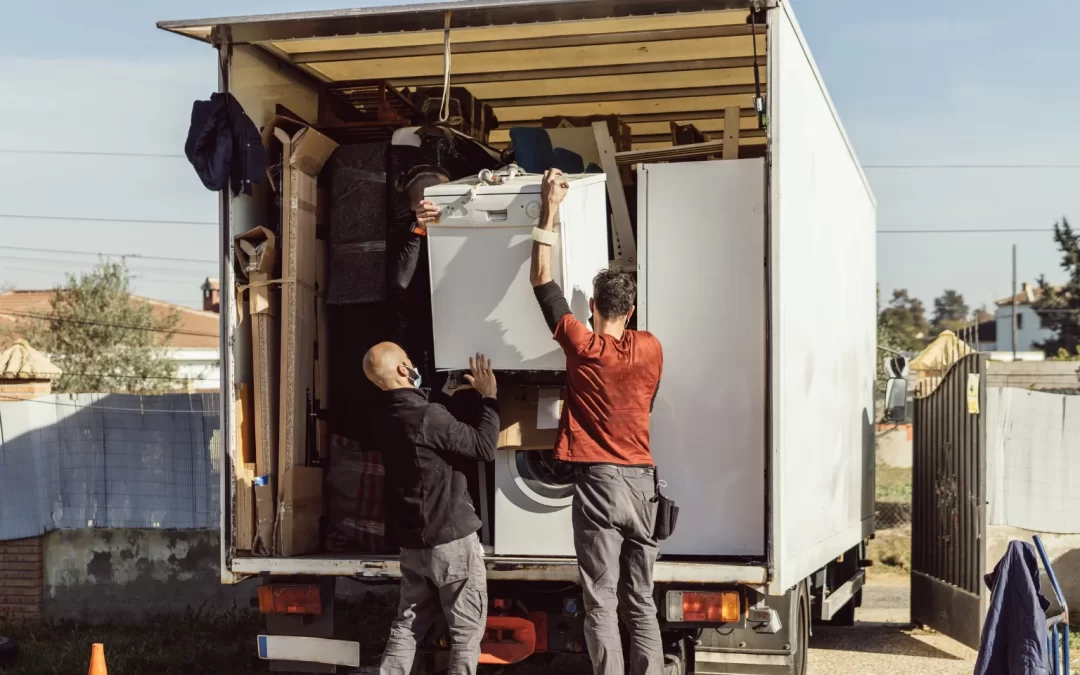
Budget moving trucks let you handle most of the work yourself and usually cost less than hiring full-service movers, especially for local or small moves. You’ll pay a base rental rate plus mileage, fuel, insurance, and possible add-on fees, with a typical local DIY truck move ranging from about $150–$600 and long-distance truck rentals often running $800–$2,500 or more. Choosing the right truck size, booking early, and avoiding peak days can keep costs down, but you’ll trade savings for more physical labor, time, and responsibility for driving and damage.
For many people, renting a moving truck is the most affordable way to move, but it can feel overwhelming to figure out sizes, costs, and what’s really included. This guide is for individuals and families planning a local or long-distance move who want clear, practical help deciding whether a budget truck rental or hiring movers is the better fit. We’ll walk through real numbers, common mistakes, and simple steps so you can plan with confidence and avoid expensive surprises.
Table of Contents
- What a Budget Moving Truck Move Involves
- Common Challenges and Mistakes With Budget Truck Rentals
- Moving Truck Sizes and Rental Options
- Budget Moving Truck Costs and How to Estimate Your Total
- What to Do First: Step-by-Step Planning
- What to Expect on Moving Day and During the Drive
- When to Hire Movers vs. DIY With a Budget Truck
- How to Compare Moving Quotes and Truck Rental Prices
- Ways to Save Money on a Budget Moving Truck
- What Can Go Wrong and How to Avoid It
- Frequently Asked Questions
- Summary and Next Steps
What a Budget Moving Truck Move Involves
Renting a budget moving truck means you are handling most or all of the move yourself. The rental company provides the truck and sometimes basic equipment, while you take care of packing, loading, driving, unloading, and returning the vehicle.
In a typical DIY truck move, you are responsible for:
- Choosing the right truck size and rental dates
- Packing and protecting your belongings
- Loading and unloading the truck safely
- Driving the truck to your new home (local or long-distance)
- Paying for fuel, tolls, and any extra fees
This option gives you more control over timing and can be significantly cheaper than full-service movers, but it also requires more time, planning, and physical effort.
Common Challenges and Mistakes With Budget Truck Rentals
Many people underestimate what goes into a DIY truck move. Knowing the common pitfalls can help you avoid stress and extra costs.
Underestimating Truck Size
- Choosing a truck that’s too small forces you to make multiple trips or leave items behind.
- Overestimating and renting a much larger truck than you need means paying more than necessary and dealing with a harder-to-drive vehicle.
Ignoring Extra Fees
- Not budgeting for mileage charges, fuel, insurance, or late return fees.
- Forgetting about tolls, parking, or city permits for large vehicles.
Last-Minute Booking
- Waiting too long to reserve can mean higher prices or limited truck sizes.
- Peak days (weekends, month-end, summer) book up fast and cost more.
Physical Strain and Safety Issues
- Lifting heavy furniture without proper equipment or help can cause injuries.
- Poorly loaded trucks can lead to shifting cargo, damage, or unsafe driving conditions.
Underestimating Time
- Loading and unloading almost always take longer than expected, especially with stairs or long walks.
- Traffic, rest breaks, and slower driving speeds in a truck can extend your moving day or trip.
Moving Truck Sizes and Rental Options
Budget moving truck companies typically offer several sizes. Exact dimensions vary by brand, but these general guidelines can help you choose.
Small Trucks and Cargo Vans (Studio–1 Bedroom)
- Cargo van or 10 ft truck – Good for:
- Studios and small 1-bedroom apartments
- Partial moves or college dorms
- Local moves with minimal furniture
Medium Trucks (1–2 Bedrooms)
- 12–16 ft truck – Often fits:
- 1–2 bedroom apartments
- Small homes with moderate furniture
- Local or regional moves
Large Trucks (2–3+ Bedrooms)
- 20–26 ft truck – Typically used for:
- 2–3+ bedroom homes
- Families with more furniture and boxes
- Long-distance moves where you want everything in one load
Other Rental Options to Consider
- One-way rental: Pick up at your origin and drop off near your destination. Best for long-distance moves.
- Round-trip/local rental: Pick up and return to the same location. Common for local moves.
- Equipment add-ons: Dollies, furniture pads, straps, and ramps can make loading safer and faster.
Budget Moving Truck Costs and How to Estimate Your Total
Truck rental pricing can be confusing because the advertised rate rarely reflects your final cost. It helps to break it down into parts.
Typical Cost Ranges
- Local DIY truck move: Roughly $150–$600 total, depending on truck size, mileage, and time.
- Long-distance DIY truck move: Often $800–$2,500+ including rental, mileage, fuel, and fees.
- Local move with hired movers: About $300–$1,500, depending on home size and hours worked.
- Long-distance move with movers: Typically $2,000–$8,000+ depending on distance, weight, and services.
DIY truck rental is usually cheaper in pure dollars, but you should also factor in your time, effort, and any help you may need to hire for loading or unloading.
Main Factors That Affect Moving Truck Costs
- Distance: Longer moves mean more mileage charges, fuel, and sometimes higher base rates.
- Truck size: Larger trucks cost more per day and may use more fuel.
- Rental duration: Daily or multi-day rates add up, especially if you keep the truck longer than planned.
- Timing: Weekends, month-end, and summer are usually more expensive and book up faster.
- Location: Urban areas or high-demand markets can have higher rates.
- Insurance and add-ons: Optional coverage, equipment rentals, and moving supplies add to your total.
Common Hidden or Overlooked Fees
- Mileage charges for local rentals (per mile driven)
- Fuel costs (you must refill to the agreed level)
- Late return or change fees if you keep the truck longer
- Cleaning fees if the truck is returned dirty or with trash
- Extra day charges if your move takes longer than expected
When comparing DIY truck rental to hiring movers, it helps to understand how professional moving costs work. For a deeper breakdown of what movers charge and how to avoid surprise fees, see this guide to moving company fees and hidden costs.
How to Estimate Your Total DIY Truck Cost
To get a realistic estimate, list out:
- Base rental rate (per day or flat one-way price)
- Estimated mileage and per-mile rate (for local moves)
- Fuel cost (estimate miles divided by truck MPG, times gas price)
- Insurance or damage waiver cost (if you choose it)
- Equipment rentals (dollies, pads, straps)
- Taxes and any expected fees
Add a small buffer (10–20%) for unexpected mileage, extra time, or small add-ons. This will give you a more honest picture of what your budget moving truck will really cost.
What to Do First: Step-by-Step Planning
Starting with a simple plan will make your budget truck move smoother and less stressful.
Step 1: Decide Your Moving Approach
- List your options: full DIY (truck only), DIY plus hired labor, or full-service movers.
- Consider your budget, physical ability, time off work, and comfort with driving a large vehicle.
Step 2: Take a Quick Inventory
- Walk through your home and note:
- Number of rooms and large furniture pieces
- Appliances and bulky items (piano, large sofa, king bed)
- Garage, basement, or storage items
- This helps you choose the right truck size and compare it to quotes from movers.
Step 3: Get Price Estimates
- Check rates from at least 2–3 truck rental companies for your dates and locations.
- At the same time, request a few moving quotes so you can compare DIY vs hiring movers side by side.
- Understanding how moving estimates work will help you compare fairly; you can review this guide to moving company quotes and what affects costs for more detail.
Step 4: Reserve Your Truck (and Movers, If Needed)
- Book as early as possible, especially for weekends, month-end, or summer moves.
- Confirm:
- Pickup and drop-off locations
- Dates and times
- Truck size
- Included mileage and any limits
Step 5: Plan Packing and Help
- Gather boxes, tape, markers, and packing materials.
- Arrange help from friends, family, or hired labor for loading and unloading.
- Plan where large items will go in the truck (heavy items on the bottom, balanced load).
What to Expect on Moving Day and During the Drive
Knowing what the day will look like helps you stay calm and on schedule.
Picking Up the Truck
- Bring your driver’s license, payment method, and reservation details.
- Inspect the truck for existing damage and note it on the paperwork.
- Ask how to operate:
- Lights, mirrors, and parking brake
- Ramp or liftgate
- Fuel type and tank location
Loading the Truck
- Load heavy items and appliances first, against the front wall of the truck.
- Distribute weight evenly from side to side.
- Use straps and ropes to secure tall or heavy pieces.
- Fill gaps with boxes and soft items to prevent shifting.
Driving the Truck
- Expect slower acceleration, longer stopping distances, and wider turns.
- Plan your route to avoid low bridges, tight streets, and difficult parking when possible.
- Take breaks to reduce fatigue, especially on long-distance moves.
Unloading and Returning the Truck
- Unload heavy items first and place them in their final rooms to avoid extra lifting later.
- Sweep out the truck and remove all trash.
- Refuel to the required level before returning to avoid extra charges.
- Return on time to avoid late fees or extra day charges.
When to Hire Movers vs. DIY With a Budget Truck
Choosing between a budget moving truck and hiring movers depends on more than just price. Consider your situation realistically.
DIY Truck Rental Is Usually Better If:
- You have a tight budget and want to minimize cash out-of-pocket.
- Your move is local or a relatively short distance.
- You’re moving a smaller home (studio–2 bedrooms) with fewer heavy items.
- You have friends or family who can help with lifting and loading.
- You’re comfortable driving a larger vehicle.
Hiring Movers Is Usually Better If:
- You’re moving long-distance or across state lines with a full household.
- You have a larger home (3+ bedrooms) or many heavy, fragile, or specialty items.
- You have limited time, physical limitations, or health concerns.
- You want professional packing, loading, and transport with less personal risk.
Professional movers can also provide insurance options and handle complex logistics for you. If you’re leaning toward hiring help, it’s worth reading what to know before hiring a moving company so you understand how to choose a reputable mover and what to expect.
When to Get Quotes and How Many
- Start getting quotes 4–8 weeks before your move date (earlier for summer or long-distance moves).
- Compare at least 3 quotes from reputable moving companies, plus 2–3 truck rental quotes.
- Use the same move details (dates, home size, services) with each company so you can compare fairly.
How to Decide Which Option Fits You Best
Ask yourself:
- What is my realistic budget?
- How much time can I take off work or from family responsibilities?
- Do I have reliable help for loading and unloading?
- Am I comfortable with the risk of driving and potential damage to my belongings?
If the cost difference between DIY and hiring movers is smaller than you expected, the reduced stress and physical effort of professional help may be worth it, especially for larger or long-distance moves.
How to Compare Moving Quotes and Truck Rental Prices
Comparing quotes is not just about picking the lowest number. You want to understand what you’re getting for the price.
Comparing Truck Rental Quotes
- Confirm the same:
- Truck size
- Pickup and drop-off locations
- Dates and times
- Compare:
- Base rate and included mileage
- Per-mile charges (for local moves)
- Insurance costs and coverage limits
- Equipment rental prices
- Any additional or seasonal fees
Comparing Professional Moving Quotes
- Check whether the estimate is binding (fixed price) or non-binding (can change).
- Review what’s included:
- Packing and unpacking
- Disassembly/reassembly of furniture
- Stair or long-carry fees
- Insurance or valuation coverage
- Look at reviews, licensing, and complaint history, not just price.
Understanding how movers build their estimates will help you compare them more confidently. For more detail, see this explanation of how moving company quotes work and what affects moving costs.
Ways to Save Money on a Budget Moving Truck
You can often reduce your moving cost without cutting corners on safety or quality.
Book Smart
- Reserve early to lock in better rates and ensure the right truck size is available.
- If possible, move on a weekday or mid-month when demand is lower.
Choose the Right Size
- Use the company’s size guide and your own inventory to avoid over- or under-sizing.
- When in doubt, slightly larger is safer than too small, but don’t jump multiple sizes without reason.
Reduce What You Move
- Sell, donate, or recycle items you don’t need before moving.
- Fewer items mean a smaller truck, less time loading, and potentially lower fuel costs.
Limit Extra Days and Miles
- Plan your route and schedule so you can return the truck on time.
- Combine errands and avoid unnecessary detours to keep mileage down.
Use Discounts and Your Own Supplies
- Ask about discounts (AAA, military, student, or corporate).
- Gather free or low-cost boxes from local stores or community groups when possible.
What Can Go Wrong and How to Avoid It
Most DIY truck moves go smoothly with good planning, but it’s wise to be aware of potential problems.
Truck Not Available or Wrong Size
- Risk: Overbooked locations or last-minute changes can leave you with a different size than reserved.
- Prevention: Confirm your reservation a few days before and pick up early in the day.
Damage to Belongings
- Risk: Poor packing or loading can lead to broken items.
- Prevention: Use padding, pack boxes tightly, and secure furniture with straps.
Accidents or Vehicle Damage
- Risk: Unfamiliarity with large vehicles can lead to scrapes, backing accidents, or low-clearance impacts.
- Prevention: Drive slowly, use a spotter when backing up, and avoid tight or low-clearance areas.
Unexpected Costs
- Risk: Extra days, mileage, fuel, or cleaning fees increase your total cost.
- Prevention: Build a time buffer into your schedule, return the truck clean and fueled, and keep an eye on mileage.
Insurance Gaps
- Risk: Assuming your auto or homeowners insurance covers everything when it may not.
- Prevention: Ask your insurer what’s covered and review the rental company’s protection options. For moves with professional movers, it’s also worth understanding whether you should get movers insurance; this guide on whether to get movers insurance for your move explains the tradeoffs.
Frequently Asked Questions
How much does it cost to rent a moving truck for a local move?
For most local moves, expect to pay around $150–$600 for a budget moving truck, depending on truck size, mileage, and how long you keep it. Your total will include the base rate, per-mile charges, fuel, taxes, and any equipment or insurance you add.
What size moving truck do I need for a 2-bedroom apartment?
A 12–16 ft truck is usually enough for a typical 2-bedroom apartment, assuming average furniture and belongings. If you have a lot of large items or a garage full of storage, you may want to size up to avoid multiple trips.
Is it cheaper to rent a truck or hire movers?
In most cases, renting a truck and doing the work yourself is cheaper in terms of direct cost. However, hiring movers can be a better value when you factor in time, physical effort, risk of injury, and potential damage to your belongings, especially for larger or long-distance moves.
Do I need insurance when renting a moving truck?
Insurance is usually optional but strongly recommended, because your personal auto policy may not fully cover rental trucks. Ask both your insurance company and the rental company what is covered in case of accidents, damage, or theft, and choose the level of protection that matches your risk comfort.
How far in advance should I book a budget moving truck?
For most moves, booking 2–4 weeks in advance is usually enough, but during summer, weekends, and month-end you should book as early as possible. Long-distance or one-way rentals often benefit from even more lead time to ensure the right truck size is available.
Can I hire movers just to load and unload a rental truck?
Yes, many moving companies and labor-only services will load and unload your rental truck while you handle the driving. This can be a good compromise if you want to save money compared to full-service movers but avoid the heaviest lifting yourself.
Summary and Next Steps
Renting a budget moving truck can significantly reduce your moving costs, especially for local or smaller moves, but it requires more planning, time, and physical work. Expect local DIY truck moves to run roughly $150–$600 and long-distance truck rentals to range from about $800–$2,500+, while hiring movers typically costs $300–$1,500 for local moves and $2,000–$8,000+ for long-distance, depending on size and services.
Your best next step is to compare a few truck rental prices with several moving company quotes so you can see the real tradeoffs for your situation. Getting multiple quotes, planning ahead, and choosing the right level of help will help you control costs, reduce stress, and move into your new home with fewer surprises.
About the Author
This article was written by the team at Rex Direct, the owners of QuickMovingQuotes.com.
Rex Direct supports businesses and consumers throughout the moving industry by providing technology and data solutions that help homeowners compare moving services, understand pricing, and make informed relocation decisions.
Through their work with movers, relocation platforms, and lead generation services, the Rex Direct team has developed extensive insight into how interstate moving companies operate and how consumers can protect themselves during the moving process.