
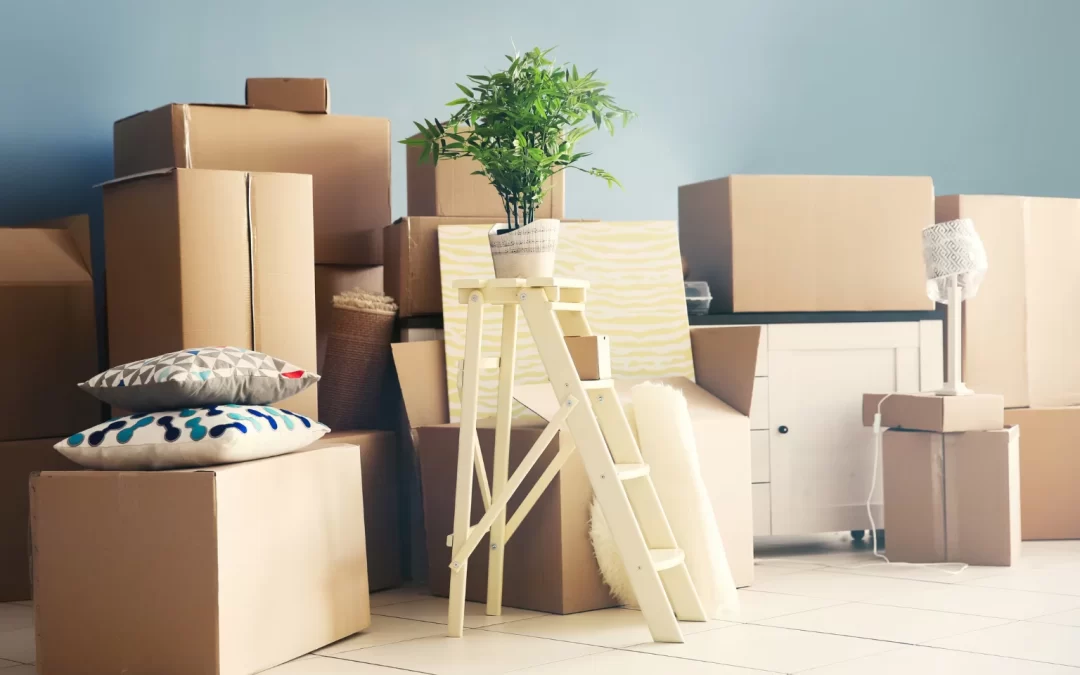
Moving boxes in bulk is usually the most cost-effective way to get enough sturdy boxes for your move, whether you buy them from home improvement stores, online retailers, moving companies, or local sellers. Expect to spend roughly $1–$3 per box when buying in bulk, with a typical one- to three-bedroom move needing 40–100+ boxes depending on how much you own. You’ll save the most money by combining bulk box bundles with free or secondhand boxes, but this takes more time and effort to collect and sort. If you’re on a tight schedule or planning a long-distance move, paying a bit more for new, uniform boxes can reduce packing stress and protect your belongings better.
Planning a move means making dozens of decisions, and figuring out how many moving boxes you need—and where to get them—can feel surprisingly stressful. This guide is for individuals and families who want clear, practical advice on buying moving boxes in bulk, avoiding common mistakes, and deciding when it makes sense to hire movers. You’ll find realistic cost ranges, step-by-step tips, and guidance on when to request moving quotes so you can plan your move with more confidence and fewer surprises.
Table of Contents
- What Buying Moving Boxes in Bulk Involves
- How Many Moving Boxes You Really Need
- Where to Buy Moving Boxes in Bulk
- Common Challenges and Mistakes with Moving Boxes
- What to Do First: Step-by-Step Box Planning
- What to Expect: Timeline, Effort, and Logistics
- When to Hire Movers vs DIY Packing and Moving
- Moving Costs, Box Costs, and How to Compare Quotes
- Ways to Save Money on Boxes and Your Move
- What Can Go Wrong and How to Avoid It
- Frequently Asked Questions
- Summary and Next Steps
What Buying Moving Boxes in Bulk Involves
Buying moving boxes in bulk simply means purchasing a larger quantity of boxes at once, usually in pre-made bundles or multi-packs. This approach is designed to give you a lower price per box and ensure you have enough sizes for different items.
Most bulk box kits include a mix of:
- Small boxes for books, canned goods, tools, and heavy items
- Medium boxes for kitchenware, decor, and toys
- Large boxes for linens, pillows, and lightweight bulky items
- Specialty boxes like wardrobe boxes, TV boxes, and dish packs (in some kits)
When you buy in bulk, you’re trading some flexibility (you may get a few sizes you don’t use as much) for convenience and a better overall price. For most households, this tradeoff is worth it, especially if you’re on a schedule and want consistent, stackable boxes.
How Many Moving Boxes You Really Need
The number of moving boxes you need depends on your home size, how much you own, and how long you’ve lived there. People almost always underestimate this, which leads to last-minute store runs and mismatched boxes.
Typical Box Count by Home Size
- Studio or small one-bedroom apartment: 20–40 boxes
- Large one-bedroom or small two-bedroom: 40–60 boxes
- Two-bedroom home or condo: 60–80 boxes
- Three-bedroom home: 80–120 boxes
- Four-bedroom+ home: 120–200+ boxes
If you have a garage, basement, or lots of hobbies (books, collections, sports gear), aim for the higher end of the range.
How to Estimate Your Own Box Needs
Use these quick rules of thumb:
- Plan on 10–15 boxes per fully used room (bedroom, living room, office).
- Add 15–25 boxes for the kitchen, depending on how many dishes and small appliances you have.
- Add 10–20 boxes for storage spaces like closets, garage, attic, or basement.
- Include 2–4 wardrobe boxes per person if you want to move hanging clothes without folding.
It’s usually better to buy a little more than you think you need. Unused, unopened boxes can often be returned, and extra boxes are useful for last-minute items.
How Bulk Box Kits Match These Needs
Many retailers sell box bundles labeled for “1–2 bedroom” or “3–4 bedroom” homes. These kits often include:
- 1–2 bedroom kit: around 40–60 boxes plus tape and packing paper
- 3–4 bedroom kit: around 80–120 boxes plus supplies
Use these labels as a starting point, then add extra small and medium boxes if you have heavy or fragile items.
Where to Buy Moving Boxes in Bulk
You have several good options for buying moving boxes in bulk, each with different costs, convenience levels, and tradeoffs.
1. Home Improvement and Big-Box Stores
Stores like Home Depot, Lowe’s, Walmart, and similar chains sell moving boxes individually and in bundles.
- Pros: Easy to find, you can see box quality in person, often have same-day availability.
- Cons: Bulk discounts may be limited, and you’ll need a vehicle large enough to transport the boxes.
- Typical cost: About $1–$3 per box depending on size and strength (standard vs heavy-duty).
2. Online Retailers
Online sellers and marketplaces offer pre-made moving kits and bulk box bundles shipped to your door.
- Pros: Convenient, wide variety of kits by home size, easy to compare prices and reviews.
- Cons: You can’t inspect quality before buying, and shipping may add cost or delay.
- Typical cost: Often similar to in-store prices, but you may save with bundled kits and free shipping.
3. Moving Companies and Truck Rental Companies
Professional movers and truck rental companies often sell moving boxes and packing supplies, sometimes in bulk.
- Pros: Boxes are usually high quality and designed for stacking in trucks; convenient if you’re already renting a truck or hiring movers.
- Cons: Prices can be higher than big-box stores or online bundles.
- Typical cost: Often on the higher end of the $1–$3 range per box, especially for specialty boxes.
4. Local Sellers, Reuse Groups, and Secondhand Options
You can often find gently used moving boxes through local classifieds, neighborhood apps, or community groups.
- Pros: Very low cost or free, environmentally friendly, good for non-fragile items.
- Cons: Quality and sizes are inconsistent, boxes may be weakened or dirty, and it takes time to collect enough.
- Typical cost: Free to about $0.50 per box, depending on condition and seller.
5. Specialty Moving Supply Companies
Some companies focus only on moving supplies and offer well-designed bulk kits.
- Pros: Kits are tailored to home size, often include labels and packing materials, and boxes are usually strong and uniform.
- Cons: May cost more than generic boxes; shipping time needs to be factored into your schedule.
Common Challenges and Mistakes with Moving Boxes
Planning your boxes poorly can make your move more expensive, more stressful, and riskier for your belongings. Here are the most common issues to watch for.
Underestimating How Many Boxes You Need
Many people buy too few boxes, then end up:
- Overstuffing boxes so they’re too heavy or likely to break
- Using random containers that don’t stack well in the truck
- Making multiple last-minute trips to the store
This adds stress and can slow down movers, which may increase your final bill.
Using the Wrong Box Sizes
Putting heavy items in large boxes is a common mistake.
- Large boxes should be reserved for light, bulky items like bedding and pillows.
- Small and medium boxes are better for books, dishes, and pantry items.
- Overloaded large boxes are harder to lift and more likely to tear.
Relying Too Much on Free or Weak Boxes
Free boxes can be helpful, but they’re not always strong enough for a full move, especially long-distance.
- Old boxes may have hidden damage or moisture.
- Odd sizes make stacking in a truck less stable.
- Weak boxes increase the risk of crushed items.
Buying Boxes Too Late
Waiting until the last minute to buy boxes can force you into whatever is available, not what’s best.
- You may pay more for rush shipping or limited in-store stock.
- You’ll have less time to declutter before packing.
- Rushed packing often leads to poor labeling and more stress when unpacking.
What to Do First: Step-by-Step Box Planning
A simple plan will help you buy the right number of boxes in bulk and avoid last-minute scrambling.
Step 1: Walk Through Your Home and List Your Spaces
Make a quick list of all areas you’ll pack:
- Bedrooms, living room, dining room, office
- Kitchen and bathrooms
- Closets, hallways, laundry room
- Garage, basement, attic, storage unit
Note any spaces that are especially full or cluttered.
Step 2: Declutter Before You Count Boxes
Decluttering first can reduce the number of boxes you need and lower your moving cost.
- Set aside items to donate, sell, or recycle.
- Be realistic about what you actually use and want in your new home.
- Fewer items mean fewer boxes, less time packing, and potentially a smaller moving truck.
Step 3: Estimate Your Box Count
Use the earlier guidelines to estimate:
- 10–15 boxes per main room
- 15–25 boxes for the kitchen
- 10–20 boxes for storage areas
- Extra small boxes for books and heavy items
Round up slightly to avoid running short.
Step 4: Decide Your Mix of New vs Secondhand Boxes
Think about your priorities:
- If you value speed and protection: Lean toward new, uniform boxes in bulk.
- If you’re on a tight budget and have time: Combine a bulk kit with free or secondhand boxes.
- For long-distance moves: It’s usually safer to use mostly new, sturdy boxes.
Step 5: Order or Buy Boxes at Least 2–3 Weeks Before Moving
Give yourself enough time to:
- Receive any shipped box kits
- Start packing non-essential items early
- Adjust and buy a few extra boxes if needed
What to Expect: Timeline, Effort, and Logistics
Planning your boxes is just one part of your moving timeline. Understanding the effort involved helps you decide whether to handle it yourself or hire help.
How Long Packing Usually Takes
- Studio or one-bedroom: 1–2 full days of packing for one person
- Two-bedroom: 2–3 full days of packing
- Three-bedroom: 3–5 full days, especially with kids or lots of belongings
Spreading this over evenings and weekends means starting 2–3 weeks before your move date is often ideal.
How Much Effort Bulk Boxes Save
Buying boxes in bulk can simplify your logistics:
- You avoid multiple store trips for more boxes.
- Uniform sizes stack better in the truck, which can make loading faster.
- Pre-made kits often include tape and packing paper, saving extra shopping.
Coordinating Boxes with Movers or a Rental Truck
If you’re hiring movers or renting a truck:
- Ask movers if they have any box requirements or recommendations.
- Confirm whether they sell boxes or offer packing services if you run out of time.
- Plan to have most boxes packed and sealed before movers arrive to avoid delays.
When to Hire Movers vs DIY Packing and Moving
Deciding whether to hire movers or handle everything yourself is one of the biggest choices in your move. Your box plan plays a role in this decision.
When DIY Makes Sense
Doing it yourself can work well if:
- You have a smaller home (studio to two-bedroom) and fewer heavy items.
- You have friends or family who can help with lifting and loading.
- You’re comfortable renting and driving a moving truck.
- You want to control your schedule and save on labor costs.
In this case, buying boxes in bulk and packing yourself can keep your costs lower, but expect to invest more time and physical effort.
When Hiring Movers Is Worth It
Hiring professional movers is often a better fit if:
- You’re moving a three-bedroom or larger home.
- You have heavy or fragile items like pianos, large TVs, or antiques.
- You’re moving long-distance or across state lines.
- You have limited time, physical limitations, or young children to care for.
Movers can handle loading, transport, and sometimes packing. If you’re considering full-service movers who pack for you, it helps to understand how those services work and what they cost; you can read more in this guide to how full-service movers work and what homeowners should know.
Hybrid Approach: You Pack, Movers Move
Many people choose a middle ground:
- Buy boxes in bulk and pack everything yourself.
- Hire movers only for loading, transport, and unloading.
- Use specialty boxes (wardrobe, TV, dish packs) for items you’re most worried about.
This approach can save money compared to full-service moving while still reducing the hardest physical work.
Moving Costs, Box Costs, and How to Compare Quotes
Understanding how box costs fit into your overall moving budget helps you make better decisions about DIY vs hiring movers and when to get quotes.
Typical Moving Cost Ranges
Actual costs vary, but these ranges are common:
- Local move (within the same city or nearby): About $300–$1,500, depending on home size, hours worked, and number of movers.
- Long-distance move: Around $2,000–$8,000+ based on distance, weight of your belongings, and services included.
- Full-service moving (packing, loading, transport, unloading, sometimes unpacking): Higher than standard moving, often several thousand dollars more for a larger home.
Boxes and packing supplies are only one part of your total moving cost, but they can still add up, especially for larger homes.
What Affects Moving Costs
Movers base their prices on several factors:
- Distance: Local moves are usually charged by the hour; long-distance moves are often based on weight and mileage.
- Size of your move: More boxes and furniture mean more time, a larger truck, and higher cost.
- Timing: Weekends, month-end, and peak moving season (late spring to early fall) are usually more expensive.
- Services: Packing, unpacking, furniture assembly, and storage all add to the total.
Hidden Fees to Watch For
When comparing quotes, ask about potential extra charges:
- Stairs or elevator fees
- Long carry fees if the truck can’t park close to your door
- Fees for heavy or specialty items (pianos, safes, large appliances)
- Last-minute booking or rescheduling fees
- Charges for extra packing materials used on moving day
Why Quotes Vary Between Movers
It’s normal for quotes from different moving companies to vary. Reasons include:
- Different hourly rates or pricing structures
- How they estimate the size and weight of your move
- What’s included (or not included) in the base price
- Experience level, insurance coverage, and reputation
This is why it’s important to compare more than one quote and make sure each company is quoting the same services.
How to Get Accurate Moving Estimates
To get realistic quotes:
- Provide a clear list of rooms, large furniture, and approximate number of boxes.
- Mention any stairs, elevators, or long walking distances at both locations.
- Be honest about heavy or fragile items that may need special handling.
- Ask for a written estimate that outlines what’s included and any possible extra fees.
Getting quotes early also helps you decide how many boxes to buy and whether you want to pay for packing help or do it yourself.
Ways to Save Money on Boxes and Your Move
You don’t have to choose between overspending and risking your belongings. With some planning, you can save money while still protecting your items.
Smart Ways to Save on Moving Boxes
- Buy in bulk: Box kits and multi-packs usually lower the cost per box.
- Mix new and used: Use new boxes for fragile and heavy items, and secondhand boxes for linens, clothes, and toys.
- Use what you already have: Suitcases, plastic bins, laundry baskets, and sturdy totes can replace some boxes.
- Use household items as padding: Towels, blankets, and clothing can protect fragile items and reduce the need for bubble wrap.
Saving on Overall Moving Costs
- Move less: Decluttering before you pack can reduce the size and cost of your move.
- Be flexible with dates: If possible, avoid peak days and seasons.
- Pack yourself: Doing your own packing with bulk boxes can be cheaper than paying movers to pack.
- Compare multiple quotes: Don’t assume the first price you get is the best; compare at least three movers.
Technology can also help you stay organized and avoid costly mistakes; you can explore ways to use tech to make moving easier and more efficient.
What Can Go Wrong and How to Avoid It
Knowing the risks ahead of time helps you plan a smoother move and protect your budget.
Boxes Breaking or Crushing
Weak or overfilled boxes can split open or collapse in the truck.
- Use heavy-duty boxes for books, dishes, and fragile items.
- Keep box weight to a manageable level (usually under 40–50 pounds).
- Stack heavier boxes on the bottom and lighter ones on top.
Running Out of Boxes at the Worst Time
Running short on boxes near moving day leads to rushed packing and poor protection.
- Buy slightly more boxes than your estimate.
- Keep a few extra small and medium boxes on hand for last-minute items.
- Start packing early so you have time to buy more if needed.
Unlabeled or Poorly Labeled Boxes
Unlabeled boxes make unpacking frustrating and slow.
- Label each box with the room and a brief description (e.g., “Kitchen – Pots and Pans”).
- Mark boxes with “Fragile” and “This Side Up” when needed.
- Consider using a simple numbering system or a moving app to track contents; you can find ideas in this guide to the best moving apps for a smooth and organized move.
Unexpected Moving Bills
Surprises on moving day can increase your final cost.
- Confirm all fees and services in writing before booking.
- Make sure your boxes are ready and accessible when movers arrive.
- Reserve elevators, parking permits, or loading zones in advance if needed.
Frequently Asked Questions
How many moving boxes should I buy for a two-bedroom apartment?
Most two-bedroom apartments need around 60–80 boxes, depending on how much you own and how full your closets and storage areas are. If you have a lot of kitchen items, books, or hobby supplies, aim for the higher end of that range and include extra small and medium boxes.
Is it cheaper to buy moving boxes in bulk?
Buying boxes in bulk usually lowers the cost per box compared to buying them one at a time. You can save even more by combining a bulk kit with free or secondhand boxes for non-fragile items, but make sure any used boxes are still sturdy.
Can I use free grocery or liquor store boxes for moving?
You can use free boxes from stores for lighter, non-fragile items like linens or toys. However, they may not be strong or uniform enough for heavy or delicate items, and odd sizes can make stacking in a truck less stable, especially for long-distance moves.
When should I buy my moving boxes?
It’s best to buy or order your moving boxes 2–3 weeks before your move, or earlier for larger homes. This gives you time to start packing gradually, adjust your box count if needed, and avoid last-minute shortages.
Should I hire movers if I’m already buying boxes and packing myself?
Hiring movers can still be worthwhile even if you pack your own boxes, especially for larger homes, long-distance moves, or heavy items. A hybrid approach—where you handle packing and movers handle loading, transport, and unloading—often balances cost savings with reduced physical stress.
How many moving quotes should I get before booking?
It’s wise to get at least three quotes from reputable moving companies so you can compare prices, services, and reviews. Make sure each company is quoting the same services and ask about any potential extra fees so you can make a fair comparison.
Summary and Next Steps
Buying moving boxes in bulk is one of the simplest ways to control your moving costs and reduce stress. Most households will need anywhere from 40 to 120+ boxes, and planning your box count early helps you avoid last-minute scrambling and protect your belongings better.
Expect your overall moving costs to range from about $300–$1,500 for a local move and $2,000–$8,000+ for a long-distance move, depending on your home size, distance, and services. To choose the best approach for your situation, compare at least a few moving quotes, decide how much packing you want to handle yourself, and schedule your move as early as you can.
Next, consider requesting multiple moving quotes so you can see how DIY, hybrid, and full-service options compare for your budget and timeline. Planning ahead—starting with the right number of boxes—will help you move more confidently, keep costs under control, and make settling into your new home easier.
About the Author
This article was written by the team at Rex Direct, the owners of QuickMovingQuotes.com.
Rex Direct supports businesses and consumers throughout the moving industry by providing technology and data solutions that help homeowners compare moving services, understand pricing, and make informed relocation decisions.
Through their work with movers, relocation platforms, and lead generation services, the Rex Direct team has developed extensive insight into how interstate moving companies operate and how consumers can protect themselves during the moving process.