
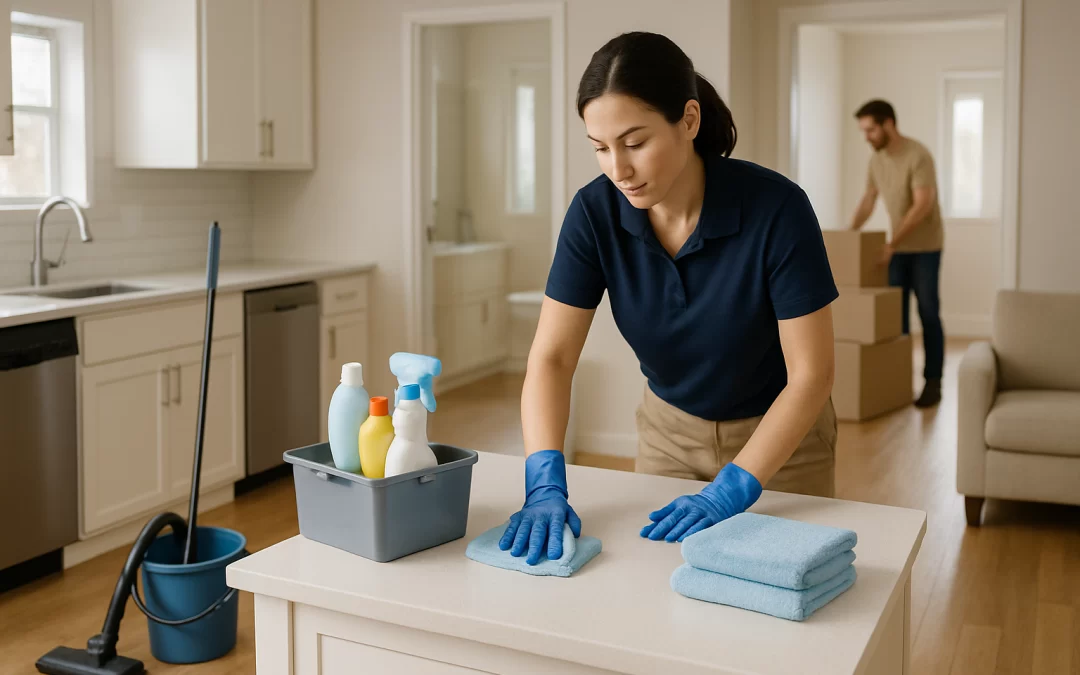
End-of-lease cleaning focuses on getting your old place spotless to meet landlord or property management standards, while move-in cleaning prepares your new home so it’s clean and healthy before you unpack. End-of-lease cleanings are often more detailed and can affect whether you get your security deposit back, so they may cost a bit more and take longer. Move-in cleaning can be lighter or deep, depending on how clean the home is when you get the keys. For most apartments and homes, expect professional cleaning to add a few hundred dollars to your overall moving budget, with more for large homes or very dirty spaces.
When you’re planning a move, it’s easy to mix up end-of-lease cleaning and move-in cleaning or underestimate how much time and energy they take. This guide is for renters and homeowners who are juggling packing, moving dates, and budgets and want clear, simple guidance. Understanding the differences between these two cleanings can help you avoid surprise costs, protect your deposit, and decide when it makes sense to hire help versus doing it yourself.
Table of Contents
- What Is End-of-Lease Cleaning?
- What Is Move-In Cleaning?
- Key Differences Between End-of-Lease and Move-In Cleaning
- Common Challenges and Mistakes
- What to Do First: Step-by-Step Plan
- What to Expect: Time, Effort, and Logistics
- Cleaning, Moving Costs, and When to Get Quotes
- End-of-Lease vs. Move-In Cleaning: Hire Help or DIY?
- How to Compare Moving Quotes the Smart Way
- Ways to Save Money on Cleaning and Moving
- What Can Go Wrong and How to Avoid It
- Frequently Asked Questions
- Summary and Next Steps
What Is End-of-Lease Cleaning?
End-of-lease cleaning (also called move-out cleaning) is a detailed cleaning of the home or apartment you’re leaving. The goal is to return the property in “broom clean” or “move-in ready” condition, depending on your lease or sale agreement.
What’s typically included in end-of-lease cleaning
Most end-of-lease cleanings focus on removing all signs of day-to-day living so the next tenant can move in quickly. A typical checklist includes:
- Kitchen:
- Deep cleaning the oven, stovetop, and range hood
- Wiping inside and outside of cabinets and drawers
- Cleaning inside the refrigerator and freezer (if staying)
- Degreasing backsplashes, counters, and sinks
- Bathrooms:
- Scrubbing toilets, tubs, showers, and sinks
- Removing soap scum, mildew, and hard water stains
- Cleaning mirrors, fixtures, and cabinet fronts
- Living areas and bedrooms:
- Dusting baseboards, window sills, and light fixtures
- Wiping doors, door frames, and switch plates
- Vacuuming and mopping floors
- Extras often expected by landlords:
- Cleaning inside closets and shelving
- Spot-cleaning walls and doors (or full wall wash in some cases)
- Removing cobwebs and visible dust from vents
Why end-of-lease cleaning matters
For renters, the quality of your move-out cleaning can directly affect how much of your security deposit you get back. For homeowners selling a property, a clean home can prevent last-minute disputes at closing or requests for credits. A thorough end-of-lease cleaning also helps you leave on good terms with your landlord or buyer.
What Is Move-In Cleaning?
Move-in cleaning focuses on getting your new place clean and comfortable before you unpack and start living there. Even if the previous occupants cleaned, there is usually dust, residue, or hidden grime left behind.
What’s typically included in move-in cleaning
Move-in cleaning can be light or deep, depending on your standards and how the home was left. Common tasks include:
- General cleaning:
- Dusting all surfaces, including shelves, ledges, and blinds
- Wiping down cabinets and drawers (especially kitchen and bath)
- Cleaning countertops, sinks, and fixtures
- Vacuuming carpets and mopping hard floors
- Kitchen and bathrooms:
- Sanitizing toilets, tubs, showers, and sinks
- Cleaning inside the refrigerator and freezer before you load food
- Wiping inside cabinets where dishes and food will go
- Optional deeper tasks:
- Cleaning inside the oven and dishwasher
- Washing walls and doors in high-traffic areas
- Steam-cleaning carpets if they look or smell dirty
Why move-in cleaning matters
Starting in a clean home makes unpacking and settling in much less stressful. It’s also easier to clean thoroughly before furniture and boxes are in the way. For families with kids, pets, or allergies, move-in cleaning can be especially important for health and comfort.
Key Differences Between End-of-Lease and Move-In Cleaning
End-of-lease and move-in cleanings often overlap, but they serve different purposes and have different expectations.
Purpose and standards
- End-of-lease cleaning:
- Goal: Meet landlord, property manager, or buyer standards
- Often guided by a checklist in your lease or move-out instructions
- Can affect your security deposit or final sale walkthrough
- Move-in cleaning:
- Goal: Meet your personal comfort and hygiene standards
- More flexible and tailored to what matters most to you
- Focuses on areas you’ll touch and use right away
Scope and intensity
- End-of-lease cleaning is usually:
- More detailed and time-consuming
- Focused on removing all traces of your occupancy
- More likely to include inside appliances, cabinets, and closets
- Move-in cleaning is usually:
- Flexible: can be light or deep
- Focused on sanitation and freshening surfaces
- Sometimes done in stages as you unpack
Who benefits and who pays
- End-of-lease cleaning:
- Benefits: landlord, next tenant, and you (through deposit return)
- Usually paid by the outgoing tenant or seller
- Move-in cleaning:
- Benefits: you and your household
- Usually paid by the incoming tenant or buyer, unless negotiated
Common Challenges and Mistakes
Cleaning around a move is easy to underestimate. A few common issues can cost you time, money, or peace of mind.
Underestimating time and energy
- Trying to deep clean after a full day of moving boxes
- Assuming a small apartment will only take “an hour or two” to clean
- Not realizing how long ovens, fridges, and bathrooms really take
Not reading the lease or move-out instructions
- Missing required tasks like:
- Professional carpet cleaning
- Cleaning blinds or windows
- Removing nails and patching small holes
- Being surprised by cleaning charges taken from your deposit
Mixing up priorities between old and new home
- Spending too much time perfecting the old place and not leaving energy for the new one
- Skipping move-in cleaning and then unpacking into dusty cabinets or dirty bathrooms
Last-minute scheduling problems
- Booking cleaners or movers too late and finding no availability
- Scheduling cleaning before all furniture and boxes are out
- Not leaving a buffer in case the landlord requests touch-ups
What to Do First: Step-by-Step Plan
A simple plan can keep your cleaning and moving on track, especially if you’re juggling work, kids, or a long-distance move.
Step 1: Check your lease or sale agreement
- Look for:
- Specific cleaning requirements
- Carpet cleaning or professional cleaning clauses
- Move-out inspection process and deadlines
- Make a short checklist of “must-do” items for your old place.
Step 2: Walk through your new place (if possible)
- Do a quick inspection before move-in day:
- Check kitchen and bathrooms for grime, stains, or odors
- Look at floors, baseboards, and inside cabinets
- Note any areas that need deep cleaning before you unpack
- Decide whether you want a light clean or a full deep clean before moving in.
Step 3: Decide what you’ll clean yourself vs. hire out
- DIY-friendly tasks:
- Basic dusting, vacuuming, and mopping
- Wiping counters and easy-to-reach surfaces
- Simple bathroom cleaning if not heavily soiled
- Good candidates for professionals:
- Oven and range hood deep cleaning
- Heavily used bathrooms with buildup
- Large homes or tight move-out timelines
Step 4: Coordinate cleaning with your moving schedule
- Plan end-of-lease cleaning:
- After most or all furniture and boxes are out
- At least a few hours (or a full day) before your final walkthrough
- Plan move-in cleaning:
- Before the truck arrives, if you have access
- Or focus on key areas (kitchen, bathrooms, bedrooms) on day one
What to Expect: Time, Effort, and Logistics
Knowing roughly how long cleaning will take helps you plan your move and decide whether to hire help.
Time estimates for DIY cleaning
- Studio or 1-bedroom apartment:
- End-of-lease cleaning: 4–8 hours for one person
- Move-in cleaning: 2–4 hours, depending on condition
- 2–3 bedroom home:
- End-of-lease cleaning: 6–12 hours or more
- Move-in cleaning: 4–8 hours
- Large home (4+ bedrooms):
- End-of-lease cleaning: 10–20+ hours
- Move-in cleaning: 6–12+ hours
What professional cleaners typically handle
- Bringing all supplies and equipment (vacuums, mops, cleaning products)
- Following a detailed checklist for kitchens, bathrooms, and living areas
- Focusing on high-impact areas that landlords and buyers notice first
- Working in teams to finish faster than a single person could
How cleaning fits into your overall move
- Cleaning is just one part of your moving logistics, along with:
- Packing and labeling boxes
- Loading, transporting, and unloading
- Setting up utilities and services at your new home
- Many people find that outsourcing at least one piece (cleaning or moving) reduces stress significantly.
Cleaning, Moving Costs, and When to Get Quotes
End-of-lease and move-in cleaning add to your overall moving cost, but planning ahead helps you stay in control of your budget.
Typical moving cost ranges
- Local move (same city or nearby):
- Rough range: $300–$1,500
- Depends on home size, number of movers, and hours worked
- Long-distance move (across state lines or several hundred miles):
- Rough range: $2,000–$8,000+
- Depends on distance, weight/volume of your belongings, and services
- Full-service moving (packing, loading, transport, unloading, sometimes unpacking):
- Costs more than basic loading/transport only
- Price varies widely based on how much the movers handle for you
How cleaning affects your moving budget
- Professional end-of-lease cleaning:
- Small apartment: often a few hundred dollars
- Larger homes or heavily soiled spaces: higher, especially with add-ons like carpet cleaning
- Professional move-in cleaning:
- Can be lighter and less expensive if the home is already fairly clean
- Deep move-in cleaning (including appliances and carpets) will cost more
- In some cases, a good move-out cleaning can save you money by protecting your security deposit.
What affects moving and cleaning costs
- Size of your home and number of rooms
- How much furniture and how many boxes you have
- Distance between your old and new home
- Timing (weekends, end of month, and peak seasons often cost more)
- Extra services:
- Packing and unpacking
- Disassembly and reassembly of furniture
- Special handling for pianos, safes, or fragile items
- Deep cleaning, carpet cleaning, or appliance cleaning
Hidden fees to watch for
- Stairs or long carries from your door to the truck
- Elevator fees or building access fees
- Heavy or oversized items (pianos, large safes, exercise equipment)
- Last-minute bookings or changes to your moving date
- Cleaning add-ons not included in a basic quote (inside oven, fridge, windows, or carpets)
When to get moving and cleaning quotes
- For most moves, start getting quotes:
- 4–8 weeks before your move date for local moves
- 8–12 weeks before for long-distance or peak-season moves
- Ask about adding or coordinating cleaning services, or plan separate cleaning help if needed.
End-of-Lease vs. Move-In Cleaning: Hire Help or DIY?
Whether you should hire cleaners or do it yourself depends on your time, budget, and standards for cleanliness.
When DIY cleaning makes sense
- You have a small space and can dedicate a full day to cleaning
- The home is already in decent shape with no heavy buildup
- You’re comfortable scrubbing bathrooms, kitchens, and appliances
- Your budget is tight and you’re willing to trade time for savings
When to consider hiring professional cleaners
- You’re moving out of a larger home or one that hasn’t been deep cleaned in a while
- You need to meet strict landlord or property management standards
- You’re juggling work, kids, or a long-distance move and are short on time
- You want your new home thoroughly cleaned before unpacking
Balancing cleaning and moving help
- Some people:
- Hire movers and do most cleaning themselves
- Or hire cleaners and handle the move with friends and a rental truck
- Or, when budget allows, hire both to reduce stress significantly
- Think about which tasks drain you the most—heavy lifting or detailed cleaning—and consider outsourcing that part.
For a deeper look at what professional cleaners typically include in move-out and move-in services, you can review guidance on when to hire professional housecleaning help when you move out or in.
How to Compare Moving Quotes the Smart Way
Comparing moving quotes is about more than just picking the lowest number. You want a realistic estimate that matches the services you actually need.
How many quotes to get
- Aim for 3–5 quotes from reputable moving companies
- Make sure each company is quoting the same basic services so you can compare fairly
Information to provide for accurate estimates
- Size of your home (number of bedrooms and floors)
- Approximate inventory (major furniture, number of boxes)
- Both addresses, including stairs, elevators, or long walks
- Preferred move date and any flexibility
- Whether you need:
- Packing or unpacking help
- Disassembly/reassembly of furniture
- Storage or temporary holding
- Any cleaning services or coordination with cleaners
What to look for in a moving quote
- Clear breakdown of:
- Hourly rates or flat rates
- Estimated hours or weight/volume
- Any extra fees (stairs, long carries, heavy items)
- What’s included:
- Basic furniture protection (pads, blankets, shrink wrap)
- Loading, transport, and unloading
- Basic disassembly and reassembly, if needed
- What’s not included:
- Packing materials (boxes, tape, packing paper)
- Cleaning services
- Insurance or valuation coverage beyond the basic level
When to book movers
- Book as soon as you’re comfortable with a quote and have a firm move date
- For peak times (summer, weekends, end of month), earlier is better:
- 4–8 weeks ahead for local moves
- 8–12 weeks ahead for long-distance moves
- Confirm details in writing, including dates, times, and services.
Ways to Save Money on Cleaning and Moving
You don’t have to choose between doing everything yourself and paying for every possible service. A few smart choices can keep costs reasonable.
Prioritize high-impact cleaning
- Focus professional cleaning on:
- Kitchens and bathrooms (where landlords and buyers look first)
- Ovens, fridges, and heavily used areas
- Carpets or floors that could trigger deposit deductions
- Handle simpler tasks yourself, like dusting, basic vacuuming, and wiping surfaces.
Reduce what you move
- Declutter before you pack:
- Donate, sell, or recycle items you don’t need
- Use up pantry items and cleaning supplies before moving
- Fewer items mean:
- Lower moving costs (less weight/volume and less time)
- Less to clean in both old and new homes
Be flexible with timing
- If possible, avoid:
- End-of-month and first-of-month move dates
- Summer weekends, which are often the busiest
- Ask movers if weekday or off-peak dates are less expensive.
Combine tasks where it makes sense
- Pack as you declutter and clean:
- Wipe shelves and cabinets as you empty them
- Clean inside drawers once they’re cleared
- Schedule move-out cleaning right after the movers finish so you don’t pay for extra trips.
What Can Go Wrong and How to Avoid It
Planning ahead for potential problems can save you stress and unexpected costs.
Security deposit disputes
- Problem:
- Landlord claims the place wasn’t clean enough and withholds part of your deposit
- Prevention:
- Take before-and-after photos of each room
- Keep receipts if you hire professional cleaners
- Ask for a move-out checklist and follow it closely
Overlapping move-out and move-in dates
- Problem:
- You have to move out and move in on the same day, leaving little time for cleaning
- Prevention:
- If possible, arrange a small overlap (even one extra day helps)
- Book cleaners or movers early so you can coordinate timing
- Prioritize move-in cleaning for key areas if time is tight
Underestimating long-distance logistics
- Problem:
- Your belongings arrive later than expected, or you can’t be there for delivery
- Prevention:
- Confirm delivery windows with your mover in writing
- Pack an essentials box with cleaning supplies, bedding, and basic kitchen items
- Plan for a basic move-in clean even if your furniture isn’t there yet
Cleaning fatigue and burnout
- Problem:
- You run out of energy and rush through cleaning, missing important areas
- Prevention:
- Break tasks into smaller chunks over several days if possible
- Ask friends or family to help with simple tasks
- Consider hiring help for the most demanding areas, even if you DIY the rest
Frequently Asked Questions
Is end-of-lease cleaning mandatory?
End-of-lease cleaning is usually required by your lease or rental agreement, even if it doesn’t use that exact term. You’re generally expected to leave the property clean and free of trash, and many landlords have specific standards or checklists. If you don’t meet them, they may hire cleaners and deduct the cost from your security deposit.
Can I use the same cleaner for move-out and move-in?
Yes, many cleaning companies can handle both end-of-lease and move-in cleaning, sometimes even on the same day if timing allows. Using the same company can simplify scheduling and may qualify you for a package rate. Just be clear about which address and which type of cleaning is needed for each visit.
Should I clean before or after the movers come?
For move-out cleaning, it’s usually best to clean after the movers have taken everything out so you can reach all surfaces. For move-in cleaning, cleaning before the movers arrive is ideal, but if that’s not possible, focus on kitchens, bathrooms, and bedrooms first. You can always do touch-ups after furniture is in place.
How clean should my new place be when I move in?
At a minimum, your new home should be free of trash and major dirt, with functioning plumbing and appliances. However, “clean” can vary a lot between landlords and previous owners, so many people choose to do their own move-in cleaning or hire professionals to meet their personal standards. If the home is in very poor condition, document it and contact your landlord or agent right away.
Is it cheaper to hire movers or rent a truck and do it myself?
Renting a truck and doing the move yourself is usually cheaper in terms of direct costs, but it requires more time, effort, and help from friends or family. Hiring movers costs more upfront but can reduce physical strain, risk of injury, and time off work. The best choice depends on your budget, schedule, and how comfortable you are with heavy lifting and logistics.
When should I book cleaners in relation to my move date?
For move-out cleaning, book cleaners for the day after your belongings are moved out, or later the same day if timing allows. For move-in cleaning, schedule as close to your key pickup as possible, ideally before the movers arrive. In busy seasons, try to book cleaning services at least 2–4 weeks in advance.
Summary and Next Steps
End-of-lease cleaning is about meeting landlord or buyer standards and protecting your deposit, while move-in cleaning is about starting fresh in a home that feels clean and comfortable. Both take more time and energy than most people expect, especially when combined with packing, moving, and settling into a new place. Factoring cleaning into your overall moving plan and budget—alongside moving costs that often range from $300–$1,500 for local moves and $2,000–$8,000+ for long-distance moves—helps you avoid last-minute stress.
Your next step is to decide what you’ll handle yourself and where professional help will make the biggest difference, whether that’s movers, cleaners, or both. Getting a few detailed moving quotes, and asking how cleaning fits into your schedule, will help you choose the option that matches your budget, timeline, and stress level.
To keep your move on track, start gathering moving quotes early and compare at least three options so you understand the range of services and prices. Planning ahead—especially for end-of-lease and move-in cleaning—can reduce surprise costs and make your move feel more organized and manageable. When you’re ready, take the next step by requesting quotes that match your real needs, including any cleaning help you want to build into your move.
About the Author
This article was written by the team at Rex Direct, the owners of QuickMovingQuotes.com.
Rex Direct supports businesses and consumers throughout the moving industry by providing technology and data solutions that help homeowners compare moving services, understand pricing, and make informed relocation decisions.
Through their work with movers, relocation platforms, and lead generation services, the Rex Direct team has developed extensive insight into how interstate moving companies operate and how consumers can protect themselves during the moving process.