
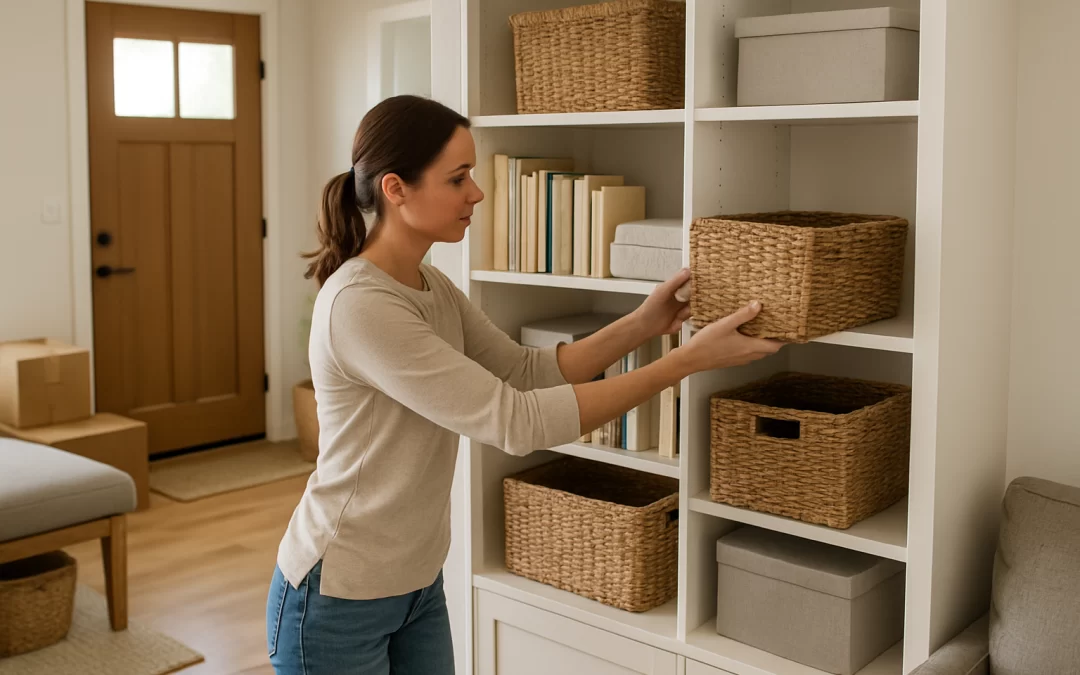
Home organization for new homeowners starts with decluttering before you unpack, then creating simple storage systems you can actually maintain. Expect to spend several days to a few weeks getting fully organized, depending on your home size and how much you own. Smart storage solutions—like clear bins, labeled shelves, and multi-purpose furniture—can save time and stress, but they do require some upfront planning and a bit of trial and error. The key tradeoff is that the more intentional you are now, the less you’ll have to reorganize later.
Moving into a new home is exciting, but it can also feel overwhelming when every room is full of boxes and nothing has a “place” yet. If you’re planning a move or just arrived, getting organized early will make your home feel comfortable and functional much faster. This guide is for new homeowners and families who want calm, practical steps to set up smart storage, avoid common mistakes, and decide when it makes sense to hire movers and request quotes.
Table of Contents
- What Home Organization for New Homeowners Involves
- Common Home Organization Challenges and Mistakes
- What to Do First: Step-by-Step Home Organization Plan
- Room-by-Room Smart Storage Solutions That Actually Work
- What to Expect: Timeline, Effort, and Logistics
- Home Organization and Moving: When to Hire Movers vs DIY
- Moving Costs and How to Compare Moving Quotes
- Ways to Save Money on Your Move and Home Organization
- What Can Go Wrong and How to Avoid It
- Frequently Asked Questions
- Summary and Next Steps
What Home Organization for New Homeowners Involves
Home organization for new homeowners is about more than just putting things away. It’s the process of deciding what you keep, where it lives, and how easily you can find and use it in daily life.
When you’re moving, organization and storage planning should start before moving day. This helps you:
- Declutter so you’re not paying to move items you don’t need
- Label boxes by room and category for easier unpacking
- Plan storage zones in your new home (entry, kitchen, closets, garage)
- Set up systems that match your routines (work, school, hobbies, pets)
Smart storage solutions are simply tools and setups that make your daily life easier, such as:
- Clear bins and labels so you can see what you own
- Vertical storage like shelves, hooks, and over-the-door organizers
- Furniture with built-in storage (ottomans, beds with drawers, benches)
- Dedicated “drop zones” for keys, bags, shoes, and mail
Common Home Organization Challenges and Mistakes
New homeowners often run into the same problems when setting up a house after a move. Knowing these in advance can save time, money, and frustration.
Typical Challenges
- Too much stuff, not enough space: Bringing everything from your old home without editing first.
- Unlabeled boxes: Making unpacking slow and stressful because you can’t find essentials.
- Awkward layouts: New closets, cabinets, and rooms that don’t match how you lived before.
- Decision fatigue: Hundreds of small choices about where things should go.
- Budget limits: Wanting custom storage but needing affordable solutions.
Common Mistakes to Avoid
- Buying storage before you sort: Purchasing bins and organizers without knowing what you’ll keep often leads to wasted money and clutter.
- Unpacking randomly: Opening boxes in any room instead of following a plan makes your whole house feel chaotic.
- Overfilling every space: Stuffing closets and cabinets to the max leaves no room for future needs.
- Ignoring daily habits: Setting up storage that looks nice but doesn’t match how your family actually lives.
- Skipping labels: Assuming you’ll “remember” where things go, which rarely works long term.
What to Do First: Step-by-Step Home Organization Plan
Starting with a simple plan will keep you from feeling overwhelmed. You don’t need to organize everything in one weekend; focus on the basics first.
Step 1: Declutter Before You Move (If Possible)
- Walk room by room and sort items into: keep, donate, sell, recycle, trash.
- Be realistic about what fits your new home and lifestyle.
- Let go of duplicates, broken items, and things you haven’t used in a year.
- If you’ve inherited a house full of belongings, a guide like what to do with an inherited house full of stuff can help you make decisions.
Step 2: Pack with Organization in Mind
- Pack by room and category (e.g., “Kitchen – Pots & Pans,” “Bedroom – Off-Season Clothes”).
- Label at least two sides of every box with room and contents.
- Use a different color marker or tape for each room to make unloading easier.
- Create a “first 48 hours” box with essentials: toiletries, basic tools, chargers, a few dishes, and bedding.
Step 3: Prioritize Key Areas on Move-In Day
Focus on function first, looks later. Start with:
- Bedrooms (beds, basic clothing, and linens)
- Bathrooms (toiletries, towels, toilet paper, cleaning supplies)
- Kitchen basics (plates, cups, a few pots, coffee setup)
- Entryway drop zone (hooks or a basket for keys, a spot for shoes and bags)
Step 4: Create Simple Zones
Zones are areas dedicated to a specific purpose. They make it easier to find and put away items.
- Entry: shoes, coats, keys, mail
- Kitchen: cooking, food storage, lunch prep, coffee/tea station
- Living room: media, toys, blankets, books
- Home office: work supplies, files, tech
- Garage/basement: tools, seasonal decor, sports gear
Step 5: Add Storage Solutions After You Settle
Live in the space for a few weeks before investing heavily in storage products. Notice where clutter piles up and what feels inconvenient.
- Measure shelves, closets, and cabinets before buying bins or organizers.
- Start with affordable basics like clear bins, drawer dividers, and hooks.
- Upgrade to more permanent solutions (shelving systems, built-ins) once you know what works.
Room-by-Room Smart Storage Solutions That Actually Work
Every room has its own storage challenges. Here are practical ideas that work for most new homeowners.
Entryway and Mudroom
- Use wall hooks or a coat rack for everyday jackets and bags.
- Add a bench with storage underneath for shoes or baskets.
- Place a small tray or bowl near the door for keys and wallets.
- Use a vertical shoe rack or cubbies if you have a larger family.
Living Room
- Choose coffee tables or ottomans with hidden storage for blankets and games.
- Use baskets to corral remote controls, toys, and magazines.
- Install simple shelves for books and decor instead of cluttering surfaces.
- Limit how many items you keep on each surface to reduce visual clutter.
Kitchen
- Use drawer dividers for utensils and cooking tools.
- Add shelf risers in cabinets to double vertical space for dishes and cans.
- Use clear bins in the pantry for snacks, baking supplies, and breakfast items.
- Hang hooks or a rail for frequently used tools, mugs, or pot holders.
Bedrooms and Closets
- Use matching hangers to save space and keep clothes from slipping.
- Add a second hanging rod or hanging organizer if your closet is tall.
- Store off-season clothing in labeled bins under the bed or on high shelves.
- Use small bins or drawer organizers for socks, underwear, and accessories.
Bathrooms
- Use drawer organizers for makeup, toothbrushes, and small items.
- Add shelves or an over-the-toilet unit for extra towels and supplies.
- Use clear bins under the sink for cleaning products and backups.
- Limit how many products you keep out on the counter.
Home Office or Work Area
- Use a simple file box or drawer for important documents.
- Keep only daily-use items on your desk; store extras in drawers or bins.
- Use cable clips or ties to control cords and chargers.
- Consider a small rolling cart for office supplies if you share the space.
Garage, Basement, and Storage Areas
- Install sturdy shelving to keep items off the floor.
- Use clear, labeled bins for holiday decor, camping gear, and keepsakes.
- Group items by activity: tools, sports, gardening, seasonal.
- Keep heavy items on lower shelves and lighter items up high.
Smart Home and Safety Considerations
As you organize, think about safety and convenience. For example, keep flashlights, batteries, and basic tools in an easy-to-reach spot.
If you’re interested in technology that supports organization and security, you may find it helpful to review a starter guide to smart home devices for new homeowners. You can also plan where to store and charge devices like cameras, hubs, and smart locks so cords and equipment don’t create clutter.
What to Expect: Timeline, Effort, and Logistics
How long it takes to organize your new home depends on your home size, how much you own, and how much help you have.
Typical Timeline
- First 2–3 days: Unpack essentials (beds, bathrooms, basic kitchen, entryway).
- First 1–2 weeks: Unpack most boxes, set up main living areas and bedrooms.
- First 4–6 weeks: Fine-tune storage, tackle garage/basement, hang art, and adjust systems.
Effort Level
- Expect several hours per day of physical work and decision-making during the first week.
- Plan breaks to avoid burnout and decision fatigue.
- Involve family members in setting up their own spaces so systems are more likely to stick.
Logistics to Keep in Mind
- Schedule utility setups, internet, and any deliveries (furniture, appliances) before or soon after move-in.
- Keep tools, hardware, and instruction manuals together in a labeled box or bin.
- If you’re moving during a busy season or holiday, consider safety and timing; for example, tips for keeping your new home safe during the holiday season can help you plan.
Home Organization and Moving: When to Hire Movers vs DIY
Your organization success often starts with how you handle the move itself. Deciding whether to hire movers or do it yourself affects your time, stress level, and how quickly you can get organized.
When Hiring Movers Makes Sense
Consider hiring professional movers if:
- You have a larger home (3+ bedrooms) or a lot of heavy furniture.
- You’re moving long-distance or across state lines.
- You have limited time off work or small children to care for.
- You want movers to handle packing, which can be organized by room and category.
Professional movers can also reduce damage and make it easier to place boxes in the correct rooms, which speeds up your organization process.
When DIY Moving Might Work
A do-it-yourself move may be a good fit if:
- You’re moving a small apartment or studio locally.
- You have help from friends or family and access to a truck.
- You’re comfortable doing your own packing, lifting, and driving.
- You want to control every detail of how items are packed and labeled.
Keep in mind that DIY moves can still be physically demanding and time-consuming, and rental truck costs can add up.
How Your Choice Affects Organization
- With movers: You can focus more on planning storage and less on heavy lifting.
- With DIY: You may save money but have less energy for organizing once you arrive.
- In both cases, clear labeling and a simple unpacking plan are essential.
Moving Costs and How to Compare Moving Quotes
Understanding moving costs helps you decide how much to budget for professional help versus storage products and home setup.
Typical Moving Cost Ranges
- Local move (within the same city or nearby): Around $300–$1,500, depending on home size, hours worked, and number of movers.
- Long-distance move (cross-state or cross-country): Often $2,000–$8,000+ based on distance, weight of your belongings, and services included.
- Full-service moving (packing, loading, transport, unloading, sometimes unpacking): Higher than standard moves, with cost varying widely based on how much the movers handle.
What Affects Moving Costs
- Distance between your old and new home.
- Size of your home and total weight or volume of your belongings.
- Time of year and day of the week (weekends and peak seasons cost more).
- Extra services like packing, unpacking, or temporary storage.
- Access issues such as stairs, elevators, or long walks from truck to door.
Hidden Fees to Watch For
- Stair or elevator fees for multi-story buildings.
- Charges for heavy or bulky items like pianos, safes, or large appliances.
- Long carry fees if the truck can’t park close to your home.
- Last-minute booking or rescheduling fees.
- Fuel surcharges or tolls for long-distance moves.
Why Moving Quotes Vary
Different moving companies use different pricing models and include different services in their base rates. Some may estimate low and add fees later, while others provide more detailed, all-in estimates.
That’s why it’s important to compare several quotes side by side, looking at what’s included, not just the final number.
How to Get Accurate Moving Estimates
- Request at least 3 written quotes from reputable movers.
- Provide a clear inventory of your belongings and mention any special items.
- Ask whether the quote is binding (fixed) or non-binding (can change).
- Share details about stairs, elevators, parking, and distance from truck to door.
- Ask what packing materials are included and what costs extra.
Ways to Save Money on Your Move and Home Organization
You don’t have to spend a lot to get organized. A mix of smart planning and simple tools can keep costs under control.
Before the Move
- Declutter aggressively so you pay to move less.
- Donate or sell items you don’t need; this can offset moving costs.
- Move during off-peak times if possible (weekdays, non-summer months).
- Do your own packing if you have the time and energy.
During and After the Move
- Reuse boxes from friends, family, or local stores when safe and sturdy.
- Start with low-cost organizers like dollar-store bins, shoe boxes, and simple hooks.
- Upgrade storage gradually as you see what you truly need.
- Use multi-purpose furniture with built-in storage to reduce the need for extra pieces.
Long-Term Savings from Good Organization
- Fewer duplicate purchases because you can find what you own.
- Less food waste when your pantry and fridge are organized.
- Reduced stress and time spent searching for items.
What Can Go Wrong and How to Avoid It
Even with a plan, moving and organizing a new home can come with surprises. Being aware of common issues helps you prevent them.
Potential Problems
- Boxes in the wrong rooms: Slows down unpacking and leads to clutter everywhere.
- Damaged items: Poor packing or rushed loading can lead to broken belongings.
- Overwhelmed by clutter: Unpacking everything at once without a system can make your new home feel chaotic.
- Storage that doesn’t fit: Buying organizers that don’t match your shelves or drawers.
- Disorganized paperwork: Misplacing important documents like warranties, closing papers, and manuals.
How to Avoid These Issues
- Label boxes clearly and direct movers or helpers to place them in the correct rooms.
- Use proper packing materials and avoid overloading boxes.
- Unpack in stages, starting with essentials and high-use areas.
- Measure before buying storage products and keep receipts in case returns are needed.
- Keep all important documents in one clearly labeled folder or box.
Emotional and Lifestyle Adjustments
Moving and organizing can also bring emotional stress, especially if you’re changing neighborhoods or living with more family members. If you’re considering sharing your home with extended family, reviewing the pros and cons of multi-generational living can help you plan storage and space use more thoughtfully.
Give yourself time to adjust and remember that your organization systems can evolve as your routines change.
Frequently Asked Questions
How soon should I start organizing my new home after moving?
Begin with essentials on day one: beds, bathrooms, and basic kitchen items. Full organization usually takes a few weeks, so focus on making the home functional first and then refine storage systems over time.
What are the best storage solutions for small homes or apartments?
Use vertical space with shelves and wall hooks, choose furniture with built-in storage, and store off-season items under beds or on high closet shelves. Clear, labeled bins help you see what you own without digging through boxes.
How many moving quotes should I get before hiring movers?
Aim for at least three written quotes from reputable moving companies. This gives you a realistic price range and helps you compare services, fees, and what’s included in each estimate.
Is it better to unpack everything at once or room by room?
Room-by-room unpacking is usually more manageable and less overwhelming. Start with bedrooms, bathrooms, and the kitchen, then move on to living areas, storage spaces, and decor.
How can I keep my home organized after the first few months?
Give every item a clear “home,” label where it makes sense, and do quick 10–15 minute tidy-ups daily or weekly. Adjust your storage systems as your routines change, and do a light declutter at least once or twice a year.
When should I book movers to get the best price and availability?
Booking movers 4–8 weeks in advance is ideal, especially for summer or end-of-month moves. Early booking gives you more options, better scheduling, and often more competitive pricing.
Summary and Next Steps
Home organization for new homeowners works best when you declutter before the move, label clearly, and set up simple, realistic storage systems room by room. Expect to spend several weeks fully settling in, with moving costs typically ranging from $300–$1,500 for local moves and $2,000–$8,000+ for long-distance moves, depending on size, distance, and services.
Your next steps are to decide whether to hire movers or handle the move yourself, request multiple moving quotes, and create a basic unpacking and organization plan. With a clear approach and a bit of patience, you can turn your new house into a comfortable, organized home that supports your daily life.
To keep costs under control and reduce stress, start planning early and get at least three detailed moving quotes so you understand your options. Whether you choose full-service movers or a DIY move with some help, a thoughtful plan will make your move smoother and your home organization more successful.
About the Author
This article was written by the team at Rex Direct, the owners of QuickMovingQuotes.com.
Rex Direct supports businesses and consumers throughout the moving industry by providing technology and data solutions that help homeowners compare moving services, understand pricing, and make informed relocation decisions.
Through their work with movers, relocation platforms, and lead generation services, the Rex Direct team has developed extensive insight into how interstate moving companies operate and how consumers can protect themselves during the moving process.