
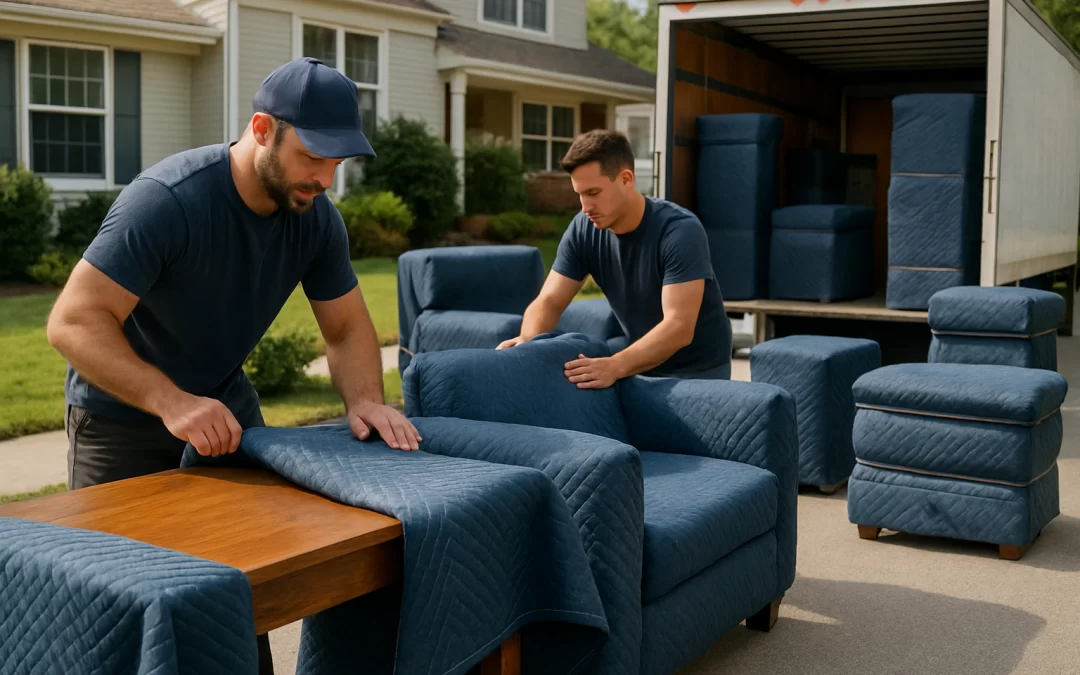
Moving blankets are thick, padded covers used to protect furniture, appliances, and fragile items from scratches, dents, and dust during a move. Most households need 20–60 blankets depending on the size of the home, with costs ranging from about $8–$20 per blanket to buy, or $10–$30 per dozen to rent from a truck rental or moving company. Using enough blankets takes extra time to wrap and secure items, but it greatly reduces the risk of damage and insurance claims. The main tradeoff is cost and effort up front versus the potential cost and stress of repairing or replacing damaged belongings later.
If you’re planning a move, moving blankets are one of the simplest ways to keep your furniture and large items safe. This guide explains the different types and sizes, how many you really need, what they cost, and when it makes sense to rent, buy, or let professional movers handle it. Use it to plan your move step by step and decide whether to request moving quotes or go DIY.
Table of Contents
- What Are Moving Blankets and Why They Matter
- Types of Moving Blankets
- Moving Blanket Sizes and Weights
- How Many Moving Blankets You Need
- How to Use Moving Blankets Step by Step
- Common Moving Blanket Mistakes to Avoid
- Costs: Renting vs Buying Moving Blankets
- Using Moving Blankets: Hire Movers or DIY?
- How to Compare Moving Quotes (Blankets and Protection Included)
- Ways to Save Money on Moving Blankets and Supplies
- What Can Go Wrong Without Enough Moving Blankets
- Frequently Asked Questions
- Summary and Next Steps
What Are Moving Blankets and Why They Matter
Moving blankets (also called furniture pads) are thick, quilted or padded covers designed to protect items during transport. They are much heavier and more durable than regular household blankets.
They matter because they:
- Prevent scratches, dents, and chips on wood, metal, and glass
- Protect upholstery and leather from tears and dirt
- Reduce shifting and vibration damage in the truck
- Act as a barrier between items stacked together
Whether you’re moving a studio apartment or a 4-bedroom home, using enough moving blankets is one of the most effective ways to avoid damage claims and post-move regret.
Types of Moving Blankets
Quilted Moving Blankets (Heavy-Duty)
Quilted blankets are the thick, padded blankets most people picture when they think of professional movers.
- Best for: Wood furniture, antiques, pianos, appliances, glass-front cabinets, and long-distance moves
- Pros: Maximum protection, reusable, durable stitching, good for stacking items
- Cons: Heavier, bulkier to store, more expensive than lighter pads
Non-Quilted / Skins (Light-Duty)
These are thinner, felt-like pads often made from recycled fibers.
- Best for: Light furniture, items that are already boxed, short local moves, or as an extra layer
- Pros: Cheaper, lighter, easier to fold and store
- Cons: Less padding, not ideal for very heavy or delicate pieces
Paper Pads / Paper Moving Blankets
Paper pads are multi-layered paper blankets sometimes with a bit of padding inside.
- Best for: Protecting finished surfaces from scuffs, wrapping items that will be crated or boxed
- Pros: Inexpensive, disposable, good for one-time use
- Cons: Much less cushioning than quilted blankets, tear more easily, not good for heavy stacking
Specialty Blankets (Sound Blankets, Reusable Pads)
Some blankets are marketed as sound blankets or studio blankets but are similar in build to moving blankets.
- Best for: People who want to reuse blankets after the move (e.g., in a garage, workshop, or music room)
- Pros: Multi-purpose, often high quality
- Cons: May cost more and not be sized exactly like standard moving pads
Moving Blanket Sizes and Weights
Standard Sizes
Most moving blankets come in a few common sizes. Exact dimensions vary by brand, but typical sizes include:
- 54″ x 72″ (small/medium) – good for chairs, small dressers, nightstands
- 72″ x 80″ (standard large) – the most common size, fits most sofas, tables, and appliances
- Oversized pads – for sectionals, large dining tables, or tall wardrobes
For most households, standard 72″ x 80″ blankets will cover the majority of items.
Weight and Protection Levels
Blankets are often described by weight per dozen or per blanket.
- Lightweight: Around 3–5 lbs per blanket (or 30–45 lbs per dozen)
- Medium-weight: Around 5–7 lbs per blanket
- Heavy-duty: 7–9+ lbs per blanket
Heavier blankets usually provide better padding and protection, especially for long-distance moves where items are on the truck longer and may be stacked higher.
How Many Moving Blankets You Need
Quick Estimate by Home Size
Here are general ranges for how many moving blankets most households need:
- Studio or small 1-bedroom: 12–24 blankets
- Large 1-bedroom or 2-bedroom: 24–36 blankets
- 3-bedroom home: 36–60 blankets
- 4+ bedroom home: 60–84+ blankets
If you have a lot of large furniture, antiques, or high-end pieces, lean toward the higher end of the range.
Item-by-Item Planning
Another way to estimate is by counting large items:
- Sofas and sectionals: 3–6 blankets each (depending on size)
- Mattresses and box springs: 1–2 blankets each (if not using mattress bags)
- Dressers, chests, and armoires: 2–3 blankets each
- Dining tables and buffets: 2–4 blankets each
- Appliances (fridge, washer, dryer, stove): 2–3 blankets each
- TV stands, desks, and bookcases: 1–3 blankets each
Add 10–20% extra blankets for odd-shaped items, stacking layers, and last-minute needs.
Local vs Long-Distance Moves
For short local moves, you can sometimes get by with fewer blankets if you’re careful and not stacking items high.
For long-distance or interstate moves, it’s safer to:
- Use more blankets per item
- Double-wrap fragile or high-value pieces
- Pad between stacked items to prevent rubbing and vibration damage
How to Use Moving Blankets Step by Step
1. Prepare the Item
- Empty drawers and shelves so furniture is lighter and less likely to warp.
- Remove loose parts like shelves, glass panels, and hardware when possible.
- Clean surfaces lightly so dirt doesn’t scratch the finish under pressure.
2. Wrap with the Blanket
- Lay the blanket on the floor and place the item in the center when possible.
- Pull the blanket up and over the top, then wrap the sides like you’re wrapping a present.
- For tall items, start at the top and drape blankets downward, overlapping layers.
3. Secure with Tape or Stretch Wrap
- Use moving bands, stretch wrap, or tape to hold blankets in place.
- If using tape, only tape blanket-to-blanket, not tape directly on furniture.
- For leather or delicate finishes, add a layer of stretch wrap over the blanket for extra security.
4. Load Carefully into the Truck
- Place heavy, well-padded items on the bottom.
- Use blankets between stacked items to prevent wood-on-wood or metal-on-wood contact.
- Use straps to secure large wrapped items to the truck walls so they don’t shift.
5. Unwrap at the New Home
- Carry items into the new home before removing blankets to protect doorways and walls.
- Unwrap on a clean surface to avoid scratching furniture feet or legs.
- Fold and stack blankets right away if you’re returning or reusing them.
Common Moving Blanket Mistakes to Avoid
Using Too Few Blankets
One of the biggest mistakes is underestimating how many blankets you need.
- Thin coverage or bare spots leave edges and corners exposed.
- Items stacked without padding between them can rub and scratch during transit.
Not Securing Blankets Properly
Even thick blankets won’t help if they slide off.
- Blankets that shift can expose surfaces mid-move.
- Loose blankets can bunch up and cause items to sit unevenly in the truck.
Relying on Household Blankets Only
Comforters and regular blankets are better than nothing, but they’re not designed for moving.
- They compress easily and offer less impact protection.
- They can tear or snag, especially under heavy furniture.
Skipping Blankets for “Sturdy” Items
People often skip padding for items that “seem tough,” like solid wood or metal pieces.
- Even sturdy items can get chipped, dented, or gouged.
- Unprotected items can damage other pieces they bump into.
Costs: Renting vs Buying Moving Blankets
Typical Moving Blanket Costs
Prices vary by quality, quantity, and where you buy or rent, but common ranges are:
- Buying quilted blankets: About $8–$20 per blanket, often cheaper per piece when bought by the dozen
- Buying light-duty pads: Around $4–$10 per blanket
- Renting from truck rental companies: Roughly $10–$30 per dozen per rental period
For a one-time move, renting is often more cost-effective unless you plan to reuse the blankets.
Renting vs Buying: Which Is Better?
Renting may be better if:
- You’re doing a one-time move and don’t want to store blankets afterward.
- You’re on a tight budget and want to keep upfront costs low.
- You’re renting a truck from a company that offers blankets at pickup.
Buying may be better if:
- You move frequently or expect another move in the next few years.
- You want higher-quality blankets than what’s available for rent.
- You’ll reuse them in a garage, storage unit, or workshop.
Overall Moving Costs and Where Blankets Fit In
Moving blankets are just one part of your total moving cost. Typical ranges for moves are:
- Local move: About $300–$1,500 depending on home size, hours, and crew size
- Long-distance move: Around $2,000–$8,000+ depending on distance and weight
- Full-service moving: Higher than basic moving, especially if packing, unpacking, and supplies are included
Blankets are a small percentage of the total cost but can prevent much more expensive damage to furniture and appliances.
Using Moving Blankets: Hire Movers or DIY?
When DIY Makes Sense
Doing it yourself can work well if:
- You’re moving locally and can make multiple trips if needed.
- You have a few strong helpers and enough time to wrap and load carefully.
- You’re comfortable renting blankets from a truck company or buying your own.
DIY gives you more control, but you’re also responsible for any damage if items aren’t wrapped or loaded correctly.
When Hiring Movers Is the Better Option
Hiring movers is often worth it if:
- You’re moving long-distance or across state lines.
- You have heavy, bulky, or high-value items like pianos, large glass pieces, or antiques.
- You’re short on time, energy, or help and want professionals to handle wrapping and protection.
Many full-service movers include moving blankets and furniture padding in their base price. You can learn more about what’s typically included in a full service moving companies guide.
Effort, Risk, and Stress Tradeoffs
DIY moves usually cost less in cash but more in time, physical effort, and risk of damage. Professional movers cost more upfront but bring experience, proper equipment, and insurance options.
If you’re unsure, it often makes sense to get a few moving quotes and compare the cost of hiring movers (with blankets included) to the cost of renting a truck, blankets, and doing the work yourself.
How to Compare Moving Quotes (Blankets and Protection Included)
What Affects Moving Costs
When you request quotes, movers will base their price on:
- Distance (local vs long-distance)
- Size of your home and estimated weight of your belongings
- Number of movers and hours required
- Time of year and day of the week (weekends and peak season cost more)
- Extra services like packing, unpacking, and storage
Hidden Fees to Watch For
Ask movers directly about possible extra charges, such as:
- Stairs or long carries from the truck to your door
- Handling heavy or specialty items (pianos, safes, large appliances)
- Last-minute bookings or changes to your move date
- Fuel surcharges or travel time fees
Also confirm whether moving blankets, shrink wrap, and basic furniture protection are included or billed separately.
Questions to Ask About Moving Blankets
When comparing quotes, ask each company:
- Do you provide moving blankets and furniture pads at no extra cost?
- How do you protect wood, glass, and upholstered furniture?
- Are there any charges for materials like tape, stretch wrap, or mattress covers?
Clear answers help you compare quotes fairly and avoid surprise charges on moving day.
How Many Quotes to Get and When
- Get at least 3 quotes for both local and long-distance moves.
- Start requesting quotes 4–8 weeks before your move date (earlier for peak summer moves).
- Book as soon as you find a reputable mover with a clear, detailed estimate that fits your budget.
Ways to Save Money on Moving Blankets and Supplies
Combine Rentals with What You Already Have
- Rent a core set of professional blankets for your most valuable items.
- Use your own comforters, quilts, and towels for less fragile pieces.
- Use cardboard and foam from appliance boxes as extra padding between items.
Buy in Bulk When It Makes Sense
If you’re buying blankets, you’ll usually save by purchasing them by the dozen instead of individually. The same is true for boxes and other supplies.
For a broader view of planning supplies and quantities, you can read about buying moving boxes in bulk and how many you need.
Plan Your Packing and Loading
- Pack smaller items in boxes so blankets are reserved for large pieces.
- Disassemble furniture when possible so fewer blankets are needed to cover awkward shapes.
- Use a moving checklist or app to stay organized and avoid last-minute supply runs.
Tools and apps can help you track what’s wrapped and packed; see ideas in guides on the best moving apps for a smooth and organized move.
What Can Go Wrong Without Enough Moving Blankets
Furniture Damage
Without proper padding, common issues include:
- Scratches and scuffs on wood tables, dressers, and bed frames
- Dents in metal appliances and file cabinets
- Chipped corners on nightstands, desks, and bookshelves
Damage to Walls, Doors, and Floors
Unwrapped items are more likely to scrape walls, door frames, and floors while being carried in and out.
- Blankets can be used as temporary wall or floor protection in tight spaces.
- They also help with grip, making it easier to carry heavy items safely.
Higher Stress and Longer Move Time
When items aren’t properly protected, you may find yourself slowing down and overthinking every step to avoid damage.
Using enough blankets up front can make loading smoother and faster, and you’ll worry less about every bump in the road.
Frequently Asked Questions
Do I really need moving blankets if I’m just moving across town?
Yes, even for a short local move, items can shift, bump, and rub against each other in the truck. Using moving blankets on your main furniture pieces greatly reduces the risk of scratches, dents, and broken corners, and they also protect doorways and walls while carrying items in and out.
Can I use regular blankets instead of moving blankets?
You can use regular blankets as a backup, but they don’t offer the same level of padding or durability. They compress more easily, can tear under heavy furniture, and may not stay in place as well, so it’s best to combine them with at least some proper moving blankets for key items.
How many moving blankets fit in a rental truck?
Moving blankets are bulky but lightweight, and a standard stack of 24–36 blankets doesn’t take up much floor space in a typical rental truck. Most people stack them near the door or on top of boxes so they’re easy to grab as they load furniture.
Do professional movers charge extra for moving blankets?
Many professional movers include moving blankets and basic furniture padding in their standard rates, but policies vary. Always ask whether blankets, shrink wrap, and tape are included in your quote or billed as separate materials so you can compare companies fairly.
Should I rent or buy moving blankets for a long-distance move?
For a one-time long-distance move, renting from a truck company is often cheaper, especially if you don’t want to store blankets afterward. If you move frequently or want heavy-duty blankets for future use, buying a set of quality quilted blankets can be a good long-term investment.
When should I wrap furniture with moving blankets during the packing process?
Wrap large furniture and appliances with moving blankets on moving day or just before loading the truck. Smaller items should be boxed first, then you can focus on padding and securing the big pieces so they’re ready to go straight onto the truck.
Summary and Next Steps
Moving blankets are a simple but critical part of a safe move, protecting your furniture, appliances, and home from damage. Most households need 20–60 blankets depending on home size, and you can rent or buy them based on your budget and how often you move.
As you plan your move, think about how much time and effort you want to invest in wrapping and loading versus hiring movers who bring blankets and equipment. Get multiple moving quotes, confirm what protection is included, and book early to lock in better rates and availability.
Taking a little time now to plan your blanket needs and compare options can save you money, stress, and damage on moving day. When you’re ready, gather your inventory, decide between DIY and full-service help, and request a few detailed quotes so you can move forward with confidence.
About the Author
This article was written by the team at Rex Direct, the owners of QuickMovingQuotes.com.
Rex Direct supports businesses and consumers throughout the moving industry by providing technology and data solutions that help homeowners compare moving services, understand pricing, and make informed relocation decisions.
Through their work with movers, relocation platforms, and lead generation services, the Rex Direct team has developed extensive insight into how interstate moving companies operate and how consumers can protect themselves during the moving process.