
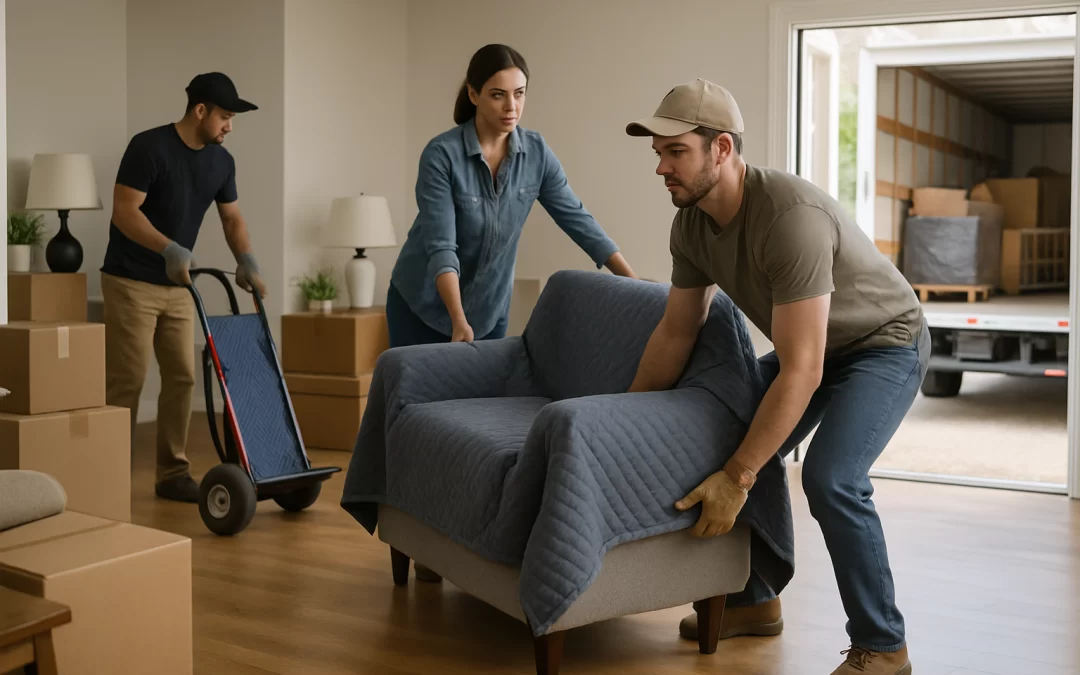
Moving Safety Guide: Essential Tips to Protect Yourself, Your Home, and Your Belongings During a Move
Staying safe during a move means protecting your body, your home, and your belongings with a clear plan, the right equipment, and realistic expectations about time and effort. Most safe moves require at least a full day of physical work for a small home and a weekend or more for larger homes, plus planning in the weeks before. You can reduce injuries, damage, and stress by using proper lifting techniques, packing securely, and deciding early whether to hire professional movers. The tradeoff is that safer moves often cost a bit more or take more time, but they usually prevent much more expensive problems later.
Moving is already stressful, and worrying about injuries, broken items, or damage to your old or new home can make it feel overwhelming. This guide is for anyone planning a local or long-distance move who wants simple, practical safety tips that actually work in real life. With a little planning and the right decisions about packing, equipment, and movers, you can protect yourself and your belongings and feel more in control of moving day.
Table of Contents
- What Moving Safety Really Involves
- Common Moving Safety Challenges and Mistakes
- What to Do First: Step-by-Step Plan for a Safe Move
- What to Expect: Timeline, Effort, and Logistics
- Moving Costs, Safety, and How to Compare Quotes
- Should You Hire Movers or Do It Yourself?
- Ways to Save Money Without Sacrificing Safety
- What Can Go Wrong and How to Avoid It
- Frequently Asked Questions
- Summary and Next Steps
What Moving Safety Really Involves
Moving safety is about more than just lifting carefully. It includes protecting:
- Your body – avoiding back injuries, falls, cuts, and exhaustion.
- Your home – preventing scratched floors, damaged walls, and broken doors.
- Your belongings – keeping furniture, electronics, and fragile items from being damaged or lost.
- Your schedule and budget – reducing last-minute emergencies and unexpected costs.
A safe move usually involves:
- Planning the order of tasks so you are not rushing at the last minute.
- Using the right tools: dollies, straps, moving blankets, and proper boxes.
- Labeling and packing so boxes are stable and not overloaded.
- Clearing pathways and protecting floors and doorways.
- Knowing when a job is too big or too risky to handle alone and hiring movers.
Common Moving Safety Challenges and Mistakes
Physical Risks and Injuries
Many people underestimate how physically demanding moving is. Common issues include:
- Lifting too much weight alone and straining your back or shoulders.
- Carrying items on stairs without a clear plan or spotter.
- Not taking breaks, leading to fatigue and accidents later in the day.
Damage to Your Home
Without protection, it is easy to damage both your old and new place:
- Scratched hardwood floors from dragging furniture.
- Dented walls and chipped paint from tight corners and doorways.
- Broken banisters or door frames from oversized items.
Damage to Belongings
Rushed packing and loading often lead to broken or lost items:
- Fragile items packed without enough padding or in boxes that are too large.
- Heavy boxes stacked on top of lighter, fragile ones.
- Electronics moved without original packaging or proper cushioning.
Planning and Timing Mistakes
Safety problems often start with poor planning:
- Underestimating how long packing and loading will take.
- Not reserving elevators, loading zones, or parking spaces in advance.
- Waiting too long to book movers, then scrambling for last-minute help.
For a broader planning overview, you may find it helpful to review a structured checklist such as The Ultimate Moving Checklist: 10 Things You Must Not Forget Before Moving Day.
What to Do First: Step-by-Step Plan for a Safe Move
Step 1: Assess Your Move Honestly
Before you pack a single box, take 15–30 minutes to walk through your home and answer:
- How many rooms and large furniture pieces do you have?
- Do you have stairs, narrow hallways, or tight doorways?
- Are there very heavy or awkward items (piano, safe, large appliances)?
- How far are you moving (across town vs. across the country)?
This quick assessment helps you decide how much help and equipment you will need.
Step 2: Gather Safety Equipment and Supplies
Basic safety-focused moving supplies include:
- Sturdy boxes in several sizes (avoid overfilling large boxes).
- Packing tape, bubble wrap, packing paper, and stretch wrap.
- Furniture pads or moving blankets.
- Moving straps and a dolly (hand truck) or furniture dolly.
- Work gloves with good grip and closed-toe shoes with traction.
- Floor protection (ram board, cardboard, or drop cloths) and corner protectors.
Step 3: Create Clear Pathways
Before moving anything heavy:
- Remove rugs, clutter, and small furniture from hallways and stairs.
- Prop doors open where safe to avoid juggling doorknobs and boxes.
- Check for loose cords or items that could cause trips or falls.
- Plan which door you will use for loading and unloading.
Step 4: Pack with Safety in Mind
Safe packing is about weight, stability, and protection:
- Keep most boxes under 40–50 pounds so they are easier to lift safely.
- Pack heavy items (books, tools) in small boxes; light items (bedding, clothes) in larger boxes.
- Fill empty spaces in boxes with paper or padding so items do not shift.
- Label boxes on multiple sides with room and contents, and mark “FRAGILE” clearly when needed.
Step 5: Use Proper Lifting and Carrying Techniques
To reduce injury risk:
- Bend at your knees, not your waist, and keep the load close to your body.
- Avoid twisting while holding heavy items; turn your whole body instead.
- Lift with two people for bulky or heavy items, even if you think you can do it alone.
- Use dollies and straps whenever possible instead of carrying by hand.
Step 6: Protect Floors, Walls, and Doorways
Before moving large items:
- Lay down floor protection in high-traffic paths.
- Use moving blankets or cardboard to cover sharp corners and door frames.
- Measure large furniture and doorways to plan the best angle and route.
Step 7: Plan for Kids, Pets, and Weather
Distractions and conditions can quickly create safety issues:
- Arrange childcare or a safe, supervised space for kids away from heavy lifting areas.
- Keep pets in a closed room or with a friend during loading and unloading.
- Check the weather and prepare for rain, snow, or heat (tarps, towels, water, sunscreen).
What to Expect: Timeline, Effort, and Logistics
Typical Time and Effort by Home Size
These are general estimates for a reasonably organized move:
- Studio or 1-bedroom apartment: 1–2 full days of packing, plus 1 day for loading/unloading.
- 2–3 bedroom home: 3–5 days of packing, plus 1 long day or 2 shorter days for loading/unloading.
- 4+ bedroom home: 1–2 weeks of part-time packing, plus 2 days for loading/unloading.
Hiring professional movers can shorten the physical labor time, but you will still need to plan, sort, and make decisions in advance.
Logistics to Arrange in Advance
To keep your move safe and smooth, plan ahead for:
- Parking and access: Reserve street parking or loading zones if required.
- Elevators: Book a service elevator and confirm allowed moving hours for apartments or condos.
- Building rules: Check for move-in/move-out fees, deposits, or insurance requirements.
- Utilities and address changes: Schedule shut-offs and start dates so you have lights and climate control on moving day.
For a detailed address-change plan, see the step-by-step guide on how to change your address when moving.
Energy and Safety Management on Moving Day
Expect moving day to be tiring, even with help. To stay safe:
- Start early to avoid rushing in the evening when everyone is exhausted.
- Schedule short breaks every couple of hours to drink water and stretch.
- Rotate tasks (lifting, packing, cleaning) so the same muscles are not overused.
Moving Costs, Safety, and How to Compare Quotes
Typical Moving Cost Ranges
Costs vary widely, but realistic ranges are:
- Local move: About $300–$1,500, depending on home size, hours required, and number of movers.
- Long-distance move: About $2,000–$8,000+ based on distance, weight, and services.
- Full-service move (packing, loading, transport, unloading, sometimes unpacking): Higher than standard moves, often several thousand dollars more for larger homes.
Paying more for experienced, insured movers can actually be a safety investment, reducing the risk of injuries and major damage.
What Affects Moving Costs and Safety
Key factors that influence both price and safety include:
- Distance: Longer moves cost more and require more planning for secure packing and loading.
- Size and weight: More rooms and heavier items mean more labor, time, and risk.
- Access: Stairs, long carries from door to truck, and tight spaces increase both effort and cost.
- Timing: Weekends, month-end, and peak season (summer) are usually more expensive and harder to book.
- Services: Packing, unpacking, furniture disassembly, and storage all add to the total.
Hidden Fees and Safety-Related Charges
Some fees are easy to miss when comparing quotes:
- Stair or elevator fees.
- Long-carry fees if the truck cannot park close to your door.
- Fees for heavy or specialty items (pianos, safes, large appliances).
- Last-minute or same-day booking surcharges.
- Charges for packing materials or labor if not clearly included.
Why Moving Quotes Vary
Different companies may quote very different prices for the same move because of:
- Experience level and training of crews.
- Insurance coverage and licensing (proper coverage usually costs more but offers better protection).
- How they estimate time, weight, or volume.
- Included vs. extra services (wrapping furniture, disassembly, basic packing help).
How to Get Accurate, Safety-Focused Estimates
To get quotes that reflect your real needs:
- Provide a detailed inventory of large items and an honest estimate of box count.
- Mention stairs, elevators, long walks, and any very heavy or fragile items.
- Ask whether basic protection (pads, shrink wrap, floor protection) is included.
- Request the quote in writing, with all fees and services clearly listed.
For more insight into evaluating companies, review the guide on how to hire movers and choose the right company.
Should You Hire Movers or Do It Yourself?
When Hiring Movers Improves Safety
Hiring professional movers is often the safer choice when:
- You have a larger home (2+ bedrooms) with many heavy or bulky items.
- You or family members have back issues, health concerns, or limited mobility.
- Your home has multiple flights of stairs or difficult access.
- You are moving long-distance and need secure loading for a long trip.
Professionals bring experience, equipment, and insurance that can significantly reduce risk.
When a DIY Move Can Work Safely
A do-it-yourself move may be reasonable if:
- You are moving a small apartment or room with minimal furniture.
- You have several reliable helpers who can lift safely.
- You can rent proper equipment (dollies, straps, blankets) and use it correctly.
- You have enough time to pack carefully and avoid rushing.
How to Decide: A Simple Checklist
Ask yourself:
- Will I need to move anything that two adults cannot safely lift?
- Do I have enough help to finish in one day without rushing dangerously?
- Can I afford a reasonable moving budget to reduce risk and stress?
- How would I handle an injury or major damage if something goes wrong?
If you answer “no” to the first two and “yes” to the last two, hiring movers is usually the safer choice.
When to Get Quotes and Book Movers
For the best mix of safety, availability, and price:
- Start gathering quotes 4–8 weeks before your move date (earlier for summer or long-distance moves).
- Compare at least 3 quotes from licensed, insured movers.
- Book 3–6 weeks in advance when possible to avoid last-minute compromises.
If you are facing a tight timeline, you can still move safely, but you may need to pay more or be flexible with dates. In urgent situations, it helps to understand how last-minute movers and emergency moving services work.
Ways to Save Money Without Sacrificing Safety
Do the Safe, Lighter Tasks Yourself
You can often reduce costs by handling lower-risk tasks while leaving heavy lifting to professionals:
- Declutter and donate items you do not need before moving.
- Pack non-fragile items yourself (clothes, linens, books in small boxes).
- Disassemble simple furniture like bed frames and tables if you are comfortable doing so.
Be Flexible With Timing
Scheduling can affect both price and safety:
- Ask about weekday or mid-month discounts when movers are less busy.
- Avoid peak days (end of month, weekends) if you can, to get more attentive crews and better availability.
- Book early to avoid rushed, last-minute decisions that can compromise safety.
Use Supplies Wisely
You do not have to overspend on supplies, but do not cut corners that affect safety:
- Use free or low-cost boxes when they are sturdy and in good condition.
- Invest in enough tape and padding for fragile items; replacing broken items is usually more expensive.
- Borrow or rent dollies and moving blankets instead of buying them if you only need them once.
What Can Go Wrong and How to Avoid It
Injuries and Health Issues
Common problems include back strains, pulled muscles, and falls. To avoid them:
- Know your limits and ask for help with anything heavy or awkward.
- Use proper lifting techniques and equipment instead of brute force.
- Stay hydrated, eat regular meals, and take short breaks.
Damage to Belongings
Breakage and loss can be costly and emotionally upsetting. Reduce the risk by:
- Packing fragile items with plenty of padding and marking them clearly.
- Keeping valuables, important documents, and small electronics with you in your own vehicle.
- Using straps and careful stacking in the truck so items do not shift during transit.
Damage to Your Home or Building
Repairs can quickly add up. Prevent damage by:
- Protecting floors, corners, and door frames before moving large items.
- Measuring furniture and planning routes to avoid forcing items through tight spaces.
- Using sliders or dollies instead of dragging heavy furniture.
Insurance and Coverage Gaps
Many people assume their homeowners insurance covers everything during a move, but that is not always true. It is important to:
- Ask your insurance provider what is and is not covered while items are being moved or in transit.
- Review the mover’s liability coverage and consider extra protection for high-value items.
For more detail, see the guide on what homeowners insurance does and does not cover when moving.
Frequently Asked Questions
How can I protect my back when moving heavy furniture?
Keep the load close to your body, bend at your knees instead of your waist, and avoid twisting while lifting. Use a dolly or lifting straps whenever possible, and ask for help with anything heavy or awkward instead of trying to move it alone.
What should I pack separately for safety on moving day?
Keep medications, important documents, jewelry, small electronics, chargers, and a basic first-aid kit in a clearly labeled bag or box that stays with you. Also pack a small “essentials” box with snacks, water, basic tools, and cleaning supplies so you are not digging through packed boxes while tired.
Is it safer to move in one long day or over two days?
For small moves, one well-planned day can work, but for larger homes, spreading the work over two days is often safer. Fatigue late in a very long day increases the risk of injuries and damage, so consider your home size, help available, and physical limits.
How many moving quotes should I get before deciding?
Comparing at least three written quotes from licensed, insured movers gives you a realistic price range and helps you spot unusually low or high bids. Make sure each quote includes the same services so you can compare safety measures and coverage fairly.
What is the safest way to move a TV or computer?
Use the original box and foam inserts if you still have them; otherwise, wrap the screen or monitor in soft padding and place it in a snug, well-cushioned box. Keep electronics upright, avoid stacking heavy items on top, and transport especially valuable items in your own vehicle if possible.
How early should I start packing to avoid rushing and injuries?
For a typical 2–3 bedroom home, starting to pack non-essential items 3–4 weeks before moving day is a good target. Packing a little each day reduces last-minute stress and makes it easier to lift and move boxes safely.
Summary and Next Steps
A safe move protects your body, your home, and your belongings through planning, proper equipment, and realistic expectations about time and effort. Local moves often range from about $300–$1,500, while long-distance moves can run $2,000–$8,000 or more, especially if you choose full-service options that reduce your physical workload and risk. The right balance between DIY and professional help depends on your home size, health, budget, and timeline.
Your next steps are to assess your move honestly, decide which tasks you can safely handle yourself, and request multiple moving quotes so you can compare prices, services, and safety measures. Getting several detailed estimates early gives you more options, helps you avoid last-minute stress, and makes it easier to choose movers who will protect you, your home, and your belongings from start to finish.
About the Author
This article was written by the team at Rex Direct, the owners of QuickMovingQuotes.com.
Rex Direct supports businesses and consumers throughout the moving industry by providing technology and data solutions that help homeowners compare moving services, understand pricing, and make informed relocation decisions.
Through their work with movers, relocation platforms, and lead generation services, the Rex Direct team has developed extensive insight into how interstate moving companies operate and how consumers can protect themselves during the moving process.