
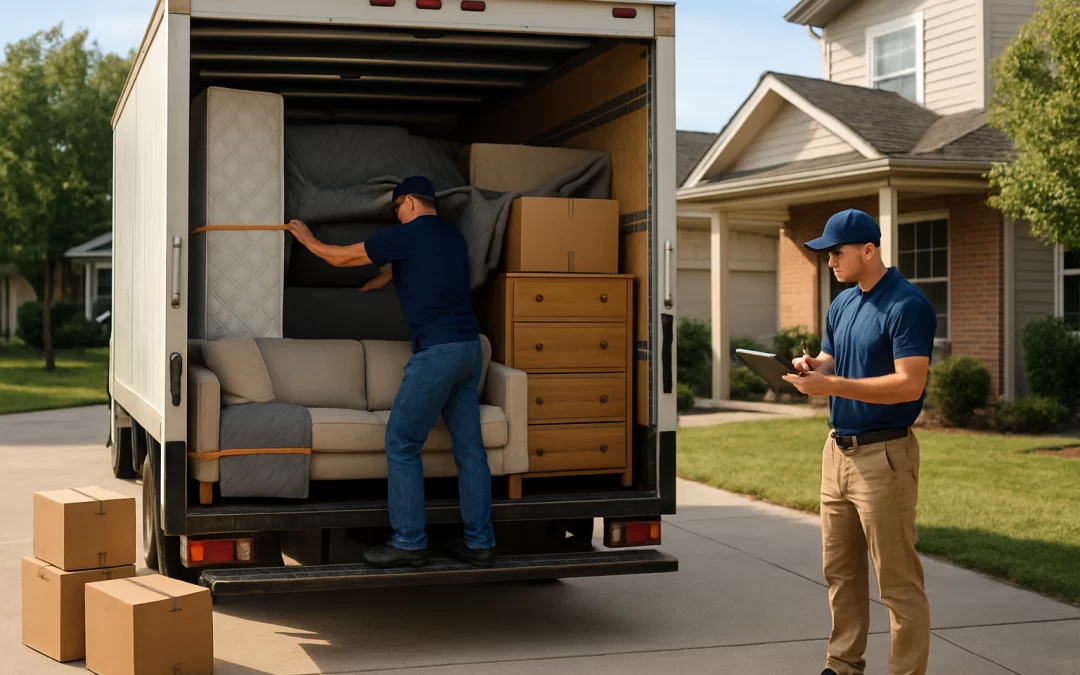
Moving truck hire means renting a truck for a set time so you can move your belongings yourself instead of hiring full-service movers. For a local move, expect to spend roughly $100–$400 for a truck for the day, plus mileage, fuel, and insurance; long-distance rentals can run $500–$2,000+ depending on distance, truck size, and timing. Choosing the right truck size is crucial so you don’t end up making multiple trips or paying for more truck than you need. The tradeoff is that renting a truck is usually cheaper than hiring movers, but it requires more planning, physical work, and driving responsibility.
Planning a move is stressful enough without worrying whether you picked the right truck size or paid too much for your rental. This guide is for individuals and families comparing DIY truck rental with hiring movers, and trying to understand real costs and options. Below you’ll find clear explanations of truck sizes, rental choices, typical prices, and when it makes sense to get moving quotes instead of doing it all yourself.
Table of Contents
- What Moving Truck Hire Involves
- Moving Truck Sizes and How to Choose the Right One
- Common Challenges and Mistakes With Moving Truck Hire
- What to Do First: Step-by-Step Planning
- What to Expect: Timeline, Effort, and Logistics
- Moving Truck Hire Costs and Rental Options
- When to Hire Movers vs DIY Truck Rental
- How to Compare Moving Quotes and Truck Rental Costs
- Ways to Save Money on Moving Truck Hire
- What Can Go Wrong and How to Avoid It
- Frequently Asked Questions
- Summary and Next Steps
What Moving Truck Hire Involves
Hiring a moving truck means you rent a vehicle for a specific period (usually by the day) to transport your belongings from your old home to your new one. You handle the packing, loading, driving, unloading, and return of the truck. This is often the most budget-friendly way to move, especially for local moves.
Most rental companies offer:
- Multiple truck sizes (cargo vans up to large box trucks)
- Local (round-trip) and one-way rentals
- Optional equipment like dollies, moving blankets, and tie-downs
- Optional insurance and roadside assistance
The main responsibilities fall on you:
- Estimating the right truck size
- Driving a larger vehicle safely
- Managing timing so you return the truck on schedule
- Protecting your belongings with proper packing and loading
Moving Truck Sizes and How to Choose the Right One
Choosing the right truck size is one of the most important decisions in moving truck hire. Too small and you’ll make multiple trips or leave items behind; too large and you’ll pay more than you need and risk items shifting around.
Typical Moving Truck Sizes
Exact sizes vary by company, but these ranges are common:
- Cargo van / 10 ft truck – Studio or very small 1-bedroom apartment; a few pieces of furniture and boxes.
- 12–15 ft truck – 1–2 bedroom apartment; basic furniture set, mattress, sofa, dining set, and boxes.
- 16–17 ft truck – 2–3 bedroom apartment or small home; more furniture, appliances, and boxes.
- 20–22 ft truck – 3–4 bedroom home; multiple bedrooms, larger furniture, and garage items.
- 24–26 ft truck – 4+ bedroom home or large household; full house plus basement/garage.
For a deeper breakdown of one major provider’s sizes and pricing, you can review the guide on U-Haul truck sizes and prices, including dimensions and which truck you need.
How to Estimate the Right Truck Size
Use these practical guidelines:
- Count your rooms by what’s actually furnished (bedroom, living room, office), not by your home’s listing.
- Consider bulky items: large sofas, sectionals, king beds, dining tables, dressers, and appliances take a lot of space.
- If you’re between sizes, choose the larger truck to avoid extra trips and time pressure.
- Ask the rental agent for a recommendation based on your inventory.
When to Consider Multiple Trips or Another Option
Multiple trips can work for very short local moves (under 10–15 miles) with flexible timing. However, if:
- You’re moving more than 20–30 minutes away
- You have a strict move-out deadline
- You’re moving a full household
It’s usually better to rent a single, slightly larger truck or consider portable storage containers or professional movers.
Common Challenges and Mistakes With Moving Truck Hire
Many moving-day headaches come from issues that could have been avoided with a bit of planning. Being aware of common mistakes helps you avoid extra costs and stress.
Underestimating Truck Size
One of the biggest mistakes is choosing a truck that’s too small. This leads to:
- Multiple trips (more fuel, more time, more stress)
- Rushed, unsafe loading where items are stacked poorly
- Leaving items behind or making last-minute arrangements
Not Accounting for All Costs
People often focus on the base daily rate and forget:
- Mileage charges (for local rentals)
- Fuel costs (you must refill to the starting level)
- Insurance or damage waivers
- Taxes, environmental fees, and equipment rentals
Booking Too Late
Waiting until the last minute can mean:
- Limited truck sizes available
- Higher prices during busy periods (weekends, month-end, summer)
- Pickup or drop-off locations that are far from your home
Underestimating the Physical Work
Loading and unloading a truck is hard work, especially with stairs or heavy furniture. Common issues include:
- Not having enough helpers
- Injury risk from lifting incorrectly
- Running out of time and rushing, which increases the chance of damage
Driving Challenges
Driving a large truck is different from driving a car. Mistakes can include:
- Not allowing enough space for turns and braking
- Hitting low clearances (parking garages, tree branches, drive-thrus)
- Difficulty parking or backing up in tight areas
What to Do First: Step-by-Step Planning
Before you reserve a moving truck, take these steps to make sure you choose the right option and avoid surprises.
Step 1: Decide Your Moving Approach
Ask yourself:
- Am I comfortable driving a large truck, possibly long-distance?
- Do I have enough help to load and unload safely?
- Is my priority saving money, saving time, or reducing physical effort?
If driving a truck or heavy lifting is a concern, you may want to compare truck rental with hiring movers or using portable containers.
Step 2: Take a Quick Inventory
Walk through your home and list:
- Major furniture pieces (beds, sofas, tables, dressers, desks)
- Appliances you’re moving (washer, dryer, fridge, etc.)
- Special items (piano, safe, large TV, outdoor furniture)
- Estimated number of boxes per room
This will help you choose the right truck size and get more accurate cost estimates.
Step 3: Check Dates and Flexibility
Know your key dates:
- Move-out deadline from your current place
- Earliest move-in date at your new place
- Any days you or your helpers are unavailable
If you can be flexible by a day or two, you may find cheaper rental rates midweek or mid-month.
Step 4: Research Truck Rental Companies and Options
Compare at least two or three companies. Look at:
- Truck sizes available for your dates
- Base rates, mileage charges, and one-way fees
- Pickup and drop-off locations
- Customer reviews about reliability and cleanliness
For a more detailed look at rental options and savings strategies, see the affordable moving truck rental guide with costs and best options.
Step 5: Reserve Early
Once you know your date and truck size, reserve as early as you can, especially if you’re moving:
- In summer (May–September)
- On a weekend
- At the beginning or end of the month
Early booking improves your chances of getting the right size at a reasonable price.
What to Expect: Timeline, Effort, and Logistics
Understanding what moving truck hire actually looks like from start to finish helps you plan your time and energy.
Typical Timeline for a Local Move With Truck Rental
For a local move (under 50 miles), a common timeline is:
- 1–2 weeks before: Reserve the truck, arrange helpers, and start packing non-essentials.
- 2–3 days before: Confirm reservation, finish most packing, label boxes, and disassemble furniture.
- Moving day morning: Pick up the truck, do a walk-around inspection, and load.
- Midday/afternoon: Drive to the new place, unload, and return the truck by the agreed time.
Effort Level
Expect a full day of physical work for a typical 2–3 bedroom move, even with helpers. The effort includes:
- Carrying boxes and furniture (often up and down stairs)
- Wrapping and protecting fragile items
- Strategic loading so items don’t shift during transit
Logistics to Plan Ahead
Before moving day, check:
- Parking rules and permits at both locations
- Elevator reservations or move-in/move-out time windows
- Low bridges or restricted roads on your route
- Where you’ll refuel the truck before returning it
Moving Truck Hire Costs and Rental Options
Understanding how moving truck costs work helps you compare DIY truck rental with hiring movers and avoid surprise charges.
Typical Moving Truck Hire Costs
Costs vary by company, location, and date, but here are realistic ranges:
- Local truck rental (one day): About $50–$150 base rate, plus mileage (often $0.59–$1.29 per mile), fuel, taxes, and insurance. Total can land around $100–$400 for many local moves.
- One-way truck rental (long-distance): Often $300–$1,500+ depending on distance, truck size, and demand, plus fuel and optional insurance.
- Overall move cost with DIY truck: For a local move, your total moving cost might be $300–$1,500 including truck, supplies, and any hired help. For long-distance, total DIY costs can range from $1,000–$4,000+ depending on distance and lodging.
How These Compare to Hiring Movers
For context, typical ranges for hiring movers are:
- Local move with movers: Around $300–$1,500 depending on home size, hours, and crew size.
- Long-distance move with movers: Roughly $2,000–$8,000+ based on distance, weight, and services.
- Full-service moving (packing, loading, transport, unloading): Higher than basic service, but saves significant time and effort.
DIY truck rental is usually cheaper on paper, but you should factor in your time, physical effort, and any risk or stress from driving a large vehicle.
What Affects Moving Truck Rental Costs
Key factors include:
- Distance: Longer trips cost more, especially one-way rentals.
- Truck size: Larger trucks have higher base rates and use more fuel.
- Timing: Weekends, month-end, and summer are more expensive.
- Location: Prices vary by city and region.
- Duration: Extra days add to the total cost.
- Extras: Insurance, equipment rental, and add-ons increase the bill.
Hidden Fees and Extra Charges to Watch For
Ask about:
- Per-mile charges (for local rentals)
- Late return fees
- Cleaning fees if the truck is returned dirty
- Fuel charges if you return the truck with less gas than required
- Additional driver fees or underage driver fees
When comparing with professional movers, it can help to review a detailed breakdown like the one in the guide on moving company fees, hidden charges, and how pricing really works.
Common Rental Options
Most companies offer:
- Local (round-trip) rentals: Pick up and return to the same location; pay daily rate plus mileage.
- One-way rentals: Pick up in one city and drop off in another; price usually includes a set mileage allowance.
- Cargo vans and pickup trucks: Good for very small moves or partial loads.
- Box trucks: Best for full household moves.
For long-distance one-way rentals, you can also compare costs with portable storage containers or one-way van rentals, as outlined in the guide on one-way moving van rental costs, requirements, and mileage rules.
When to Hire Movers vs DIY Truck Rental
Deciding between renting a truck and hiring movers depends on your budget, time, physical ability, and comfort with driving a large vehicle.
When DIY Truck Rental Makes Sense
Truck rental is often a good fit if:
- You’re moving locally or a moderate distance.
- You’re comfortable driving a larger vehicle.
- You have friends or family who can help with loading and unloading.
- Your main goal is to keep costs as low as reasonably possible.
When Hiring Movers Is the Better Choice
Consider hiring professional movers if:
- You’re moving long-distance or across the country.
- You have a large home, heavy items, or complex access (stairs, elevators, long walks).
- You have limited time, physical limitations, or health concerns.
- You’re worried about driving a large truck in unfamiliar areas or bad weather.
Professional movers can handle the heavy lifting and logistics, and may reduce the risk of damage or injury. For a deeper look at what to expect from moving companies, see the guide on what to know before hiring a professional moving company.
Hybrid Options
You don’t have to choose all-or-nothing. Hybrid options include:
- Renting a truck but hiring movers just for loading and unloading.
- Using portable storage containers where the company handles driving, and you handle packing and loading.
- Hiring movers for large or fragile items only, and moving the rest yourself.
How to Compare Moving Quotes and Truck Rental Costs
Even if you’re leaning toward DIY truck rental, it’s smart to compare a few moving quotes so you know your options and true cost difference.
When to Get Moving Quotes
Get quotes if:
- You’re moving more than 50–100 miles.
- You have a 3+ bedroom home or many heavy items.
- You’re unsure whether the savings from DIY are worth the effort.
Ideally, start getting quotes 4–8 weeks before your move, or earlier for peak season.
How Many Quotes to Compare
Compare at least 3 quotes from reputable moving companies. This helps you:
- See a realistic price range for your move.
- Spot unusually low or high estimates.
- Understand how different companies structure their pricing.
What Affects Moving Quotes
Moving company quotes are based on:
- Distance between your old and new home.
- Size and weight of your shipment (how much you’re moving).
- Access issues (stairs, elevators, long carries, parking).
- Services requested (packing, unpacking, furniture assembly, storage).
- Timing (date, season, and flexibility).
For a detailed explanation of how estimates work and why prices vary, you can review the guide on how moving company quotes work and what affects moving costs.
Comparing DIY Truck Rental vs Moving Quotes
When comparing, consider:
- Total cost: Include truck, fuel, mileage, supplies, lodging (for long-distance), and any hired help.
- Time: How many days you’ll spend packing, loading, driving, and unloading.
- Effort and risk: Physical strain, driving stress, and potential for damage or injury.
- Convenience: How much you value having professionals handle the heavy work.
Ways to Save Money on Moving Truck Hire
You can often reduce your moving truck costs with a few smart choices and some flexibility.
Book Early and Be Flexible
To save money:
- Reserve your truck as early as possible, especially for peak dates.
- Consider moving midweek or mid-month when demand is lower.
- Ask if shifting your pickup or return time can lower the rate.
Choose the Right Size (Not Just the Cheapest)
Picking the smallest truck to save money can backfire if you need multiple trips. Instead:
- Estimate your load carefully and choose a size that fits comfortably.
- Factor in the cost of extra mileage and time if you underestimate.
Limit Extra Days and Miles
Plan your move so you don’t need extra rental days. To keep mileage down:
- Plan the most direct route and avoid unnecessary detours.
- Do as much packing and disassembly as possible before pickup.
- Have everything ready to load when the truck arrives.
Bring Your Own Supplies When Possible
Rental companies charge for boxes, blankets, and dollies. You can save by:
- Collecting free or low-cost boxes from local stores or online marketplaces.
- Using your own blankets, towels, and sheets for padding (for non-delicate items).
- Borrowing a dolly or hand truck from friends or neighbors.
Avoid Damage and Extra Fees
Return the truck in good condition to avoid extra charges:
- Refuel to the required level before drop-off.
- Sweep out the truck and remove all trash.
- Drive carefully to avoid accidents, scrapes, or tire damage.
What Can Go Wrong and How to Avoid It
Most moves go smoothly with planning, but it’s wise to be aware of potential problems and how to prevent them.
Truck Not Available or Wrong Size at Pickup
Sometimes the exact truck you reserved isn’t available. Reduce this risk by:
- Confirming your reservation a day or two before pickup.
- Choosing a reputable location with good reviews.
- Picking up early in the day when inventory is highest.
Delays and Late Fees
Traffic, slow loading, or unexpected issues can cause delays. To avoid late fees:
- Build extra time into your schedule.
- Have enough helpers to load and unload efficiently.
- Know your return deadline and location ahead of time.
Damage to Belongings
Poor loading and lack of padding can lead to broken items. Protect your belongings by:
- Using moving blankets, padding, and straps.
- Loading heavy items on the bottom and lighter, fragile items on top.
- Filling gaps so items don’t shift during transit.
Accidents or Vehicle Damage
Driving a truck you’re not used to increases risk. To reduce it:
- Drive slower than you would in a car and leave extra stopping distance.
- Avoid tight spaces and low clearances.
- Use a spotter when backing up in tight areas.
Insurance and Protection
Check what your personal auto insurance and credit card cover (often they don’t fully cover truck rentals). Consider:
- Rental company damage waivers for the truck itself.
- Separate coverage for your belongings if needed.
If you’re hiring movers instead of renting a truck, it’s also worth understanding whether you should get movers insurance for your move, especially for interstate or long-distance relocations.
Frequently Asked Questions
How much does it cost to hire a moving truck?
For a local move, expect to pay roughly $100–$400 total for a day’s truck rental, including base rate, mileage, fuel, and taxes. Long-distance one-way rentals can range from about $300 to $1,500+ depending on distance, truck size, and timing. Optional insurance and equipment rentals will add to the total.
What size moving truck do I need for a 2-bedroom apartment?
Most 2-bedroom apartments fit in a 15–17 ft truck, depending on how much furniture and how many boxes you have. If you have large items like a sectional sofa, multiple dressers, or lots of storage items, consider sizing up to avoid multiple trips. When in doubt, ask the rental company for a recommendation based on your inventory.
Is it cheaper to rent a truck or hire movers?
Renting a truck is usually cheaper in terms of direct costs, especially for local moves, because you’re doing the labor and driving yourself. However, hiring movers can be more cost-effective when you factor in time, physical effort, and reduced risk of damage or injury, particularly for large homes or long-distance moves. Comparing a few moving quotes with your DIY truck costs will show the real difference for your situation.
How far in advance should I book a moving truck?
For most moves, booking 2–4 weeks in advance is a good target. During busy times like summer, weekends, and month-end, try to reserve 4–8 weeks ahead to get the truck size and pickup time you want. Last-minute rentals are possible but may be more expensive and limited in options.
Do I need insurance when renting a moving truck?
Insurance is not always required, but it’s strongly recommended because your personal auto policy often doesn’t fully cover rental trucks. Rental companies offer damage waivers and liability coverage for the vehicle, and you may need separate protection for your belongings. Review the options carefully and choose the level of coverage that matches your risk tolerance and the value of what you’re moving.
Can I move long-distance with a rental truck?
Yes, many people move cross-country with one-way truck rentals. You’ll pay a higher base rate that usually includes a mileage allowance, plus fuel and any extra days you need. For very long distances or large households, compare this cost and effort with long-distance movers or portable storage containers before deciding.
Summary and Next Steps
Moving truck hire gives you control over your move and can keep costs down, especially for local or smaller moves. The key decisions are choosing the right truck size, understanding all costs (not just the base rate), and deciding whether the savings are worth the time, effort, and responsibility of driving a large vehicle.
For many local moves, a DIY truck rental can keep your total moving cost in the $300–$1,500 range, while long-distance moves and full-service options can run higher. To make the best choice, compare at least a few moving quotes with your estimated truck rental costs, including fuel, supplies, and any help you’ll need.
Next, outline your inventory, pick your target move date, and price out both truck rental and professional movers. Getting multiple moving quotes and planning ahead will help you control costs, reduce stress, and choose the moving option that fits your budget, schedule, and comfort level.
About the Author
This article was written by the team at Rex Direct, the owners of QuickMovingQuotes.com.
Rex Direct supports businesses and consumers throughout the moving industry by providing technology and data solutions that help homeowners compare moving services, understand pricing, and make informed relocation decisions.
Through their work with movers, relocation platforms, and lead generation services, the Rex Direct team has developed extensive insight into how interstate moving companies operate and how consumers can protect themselves during the moving process.