
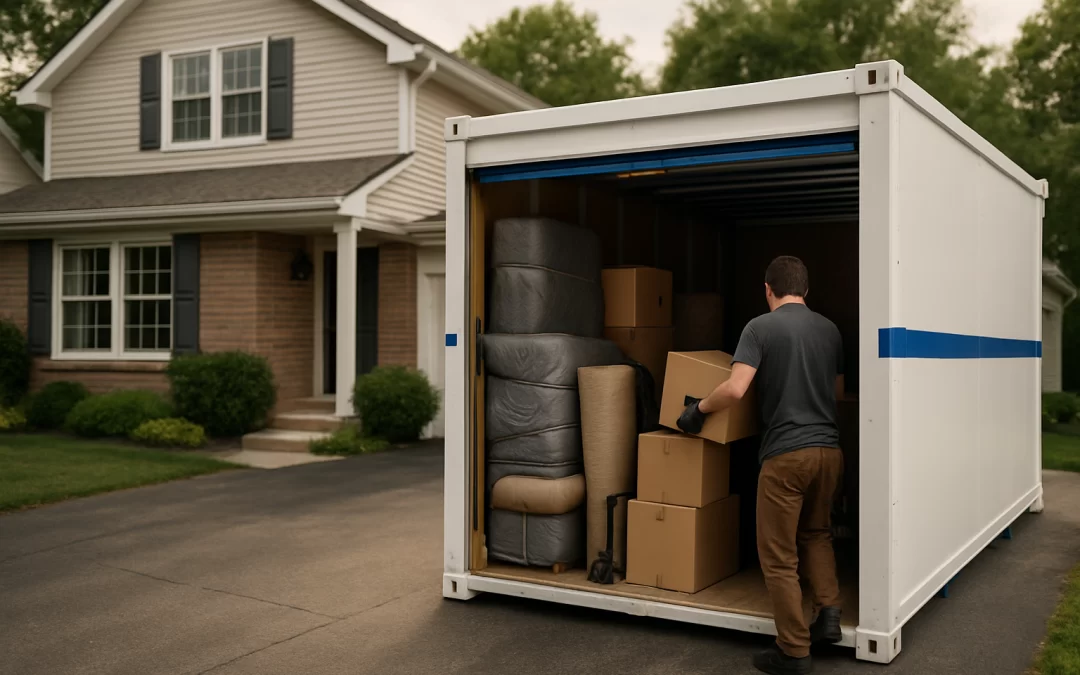
PODS moving costs usually range from about $400–$1,200 for small local moves and $1,500–$5,000+ for long-distance moves, depending on container size, distance, and how long you keep the container. You pay for the container rental, delivery, transportation, and storage time if you use it. PODS can be cheaper and more flexible than full-service movers, but you do more of the loading and planning yourself. To avoid surprises, compare PODS pricing with quotes from moving companies and truck rentals before you decide.
Using PODS or other portable storage containers can simplify a move, but the pricing structure and logistics can be confusing at first. This guide is for people planning a local or long-distance move who want clear, realistic expectations about PODS costs and how they compare to hiring movers or renting a truck. We’ll walk through what affects price, common mistakes to avoid, and how to decide which option fits your home, budget, and timeline.
Table of Contents
- What a PODS Move Involves
- PODS Moving Cost Breakdown
- Factors That Affect PODS Pricing
- Common Challenges and Mistakes With PODS Moves
- What to Do First When Planning a PODS Move
- What to Expect: Logistics, Timeline, and Effort
- PODS vs. Hiring Movers vs. Truck Rental
- How to Compare Moving Quotes (Including PODS)
- Ways to Save Money on PODS and Portable Storage Moves
- What Can Go Wrong With PODS Moves and How to Avoid It
- Frequently Asked Questions
- Summary and Next Steps
What a PODS Move Involves
A PODS move uses portable storage containers that are delivered to your home, loaded by you (or hired help), and then transported to your new place or to a storage facility. You control the loading schedule and can keep the container for days, weeks, or months, depending on your needs and budget.
Typical steps in a PODS move:
- PODS delivers one or more containers to your current home.
- You load your belongings into the container at your own pace.
- PODS picks up the container and transports it to your new address or to storage.
- You unload at the new place, then PODS picks up the empty container.
This setup works well if you want flexibility, are comfortable doing the heavy lifting (or hiring labor separately), and have space to place the container on your property or street.
PODS Moving Cost Breakdown
PODS pricing is usually bundled, but it helps to think of it in parts so you understand what you’re paying for and where you can save.
Typical PODS Cost Ranges
Actual prices vary by city, season, and container size, but these ranges are common:
- Local PODS move (same city or nearby): roughly $400–$1,200+ for one container, including delivery, pickup, and a month of rental.
- Long-distance PODS move: roughly $1,500–$5,000+ depending on distance, number of containers, and storage time.
- Additional months of storage: often $150–$300+ per container per month, depending on location and container size.
These ranges are for container services only. If you hire loading help, buy packing supplies, or need extra insurance, your total moving cost will be higher.
How PODS Charges Are Structured
Most PODS quotes include several components:
- Container rental: a base fee that usually covers 30 days of use.
- Delivery and pickup fees: charges for dropping off and picking up the container at each location.
- Transportation fees: the cost to move the container from your old home to your new home or to a storage facility (higher for long-distance).
- Storage fees: monthly charges if you keep the container at a PODS facility between homes.
- Optional services: such as extended protection plans or moving labor (if arranged through a partner).
How PODS Costs Compare to Other Moving Options
For many moves, PODS falls in the middle of the price range:
- Local move with truck rental: often around $300–$1,500 total, depending on truck size, mileage, and how much you do yourself.
- Local move with full-service movers: often $800–$2,500+ depending on home size and services.
- Long-distance move with PODS: commonly $1,500–$5,000+.
- Long-distance move with full-service movers: often $2,000–$8,000+ or more, depending on distance and weight.
PODS can be cheaper than full-service movers but more expensive than a bare-bones truck rental. The tradeoff is convenience and flexibility versus how much work you want to do yourself.
Factors That Affect PODS Pricing
Several key factors drive how much you’ll pay for a PODS move. Understanding these helps you plan and avoid surprise charges.
1. Distance and Route
- Local vs. long-distance: Longer distances mean higher transportation fees.
- Service area: Some rural or remote areas may have higher costs or limited availability.
- Multiple stops: Moving from home to storage and then to a new home can add extra transport fees.
2. Number and Size of Containers
- Home size: A studio or 1-bedroom may need one small or medium container; larger homes may need two or more.
- Container size: Larger containers cost more per month and per move but may be cheaper than renting multiple small ones.
- Overestimating vs. underestimating: Too many containers means paying for unused space; too few can force last-minute changes or extra trips.
3. Timing and Season
- Peak season: Summer, weekends, and end-of-month dates often cost more and book up faster.
- Off-peak: Weekdays and non-summer months can be more affordable and flexible.
- Lead time: Booking early usually gives you better availability and sometimes better pricing.
4. How Long You Keep the Container
- Included rental period: Most quotes include about 30 days of use.
- Extra months: Keeping the container longer adds monthly rental and storage fees.
- Delays: Construction, closing delays, or renovation work can extend your rental and increase costs.
5. Access and Location Conditions
- Placement: Driveway, street, or lot access can affect whether a container can be delivered.
- Permits: Some cities require permits for street placement, which may add cost and planning time.
- Restrictions: HOAs, apartment complexes, or city rules may limit where and how long a container can sit.
6. Insurance and Protection Plans
- Basic coverage: Often limited; may not fully cover high-value items.
- Upgraded protection: Higher coverage limits cost more but may be worth it for long-distance or high-value moves.
- Homeowners or renters insurance: Sometimes covers items in transit or storage, but you should confirm details with your insurer.
Common Challenges and Mistakes With PODS Moves
PODS can be convenient, but there are pitfalls that can increase stress and cost if you’re not prepared.
Underestimating Space Needs
- Booking too few containers can leave you scrambling for extra space at the last minute.
- Overpacking a container can lead to damage or unsafe loading.
- Solution: Take a realistic inventory and ask the PODS rep for guidance based on your home size and furniture.
Not Checking Placement Rules
- Some neighborhoods or buildings don’t allow containers on the street or in certain areas.
- Permits may be required, and failing to get them can lead to fines or last-minute changes.
- Solution: Confirm placement rules with your city, HOA, or landlord before booking.
Keeping the Container Longer Than Planned
- Delays in closing, renovations, or travel plans can extend your rental.
- Extra months of storage can add hundreds of dollars to your move.
- Solution: Build some buffer time into your plan, but also set a clear target date to avoid unnecessary extra months.
Assuming PODS Includes Labor
- PODS typically does not include loading and unloading services by default.
- You may need to hire movers or labor-only crews separately, which adds cost and coordination.
- Solution: Decide early whether you’ll DIY or hire help, and factor that into your total budget.
What to Do First When Planning a PODS Move
Starting with a clear plan will help you decide if PODS is right for you and avoid last-minute stress.
Step 1: Assess Your Move Size and Distance
- List your major furniture pieces and estimate how many boxes you’ll have.
- Note your current and new locations, including distance and type of housing (apartment, house, condo).
- Think about access: stairs, elevators, narrow streets, or parking limitations.
Step 2: Check Container Placement Options
- Confirm where a container could be placed at both your current and new homes.
- Ask your landlord, HOA, or city about any restrictions or permit requirements.
- If placement is not possible, you may need to consider truck rental or full-service movers instead.
Step 3: Get a PODS Quote and Compare Options
- Request a detailed PODS quote that breaks down container size, delivery, transport, and storage.
- At the same time, get quotes from at least two moving companies and one or two truck rental companies.
- Use these numbers to compare total costs, including labor, fuel, and time.
Step 4: Decide on DIY vs. Hiring Help
- Consider your physical ability, time, and help from friends or family.
- If you plan to hire labor, get estimates for loading and unloading so you know your full cost.
- Factor in the value of your time and stress level when choosing your approach.
What to Expect: Logistics, Timeline, and Effort
Knowing the typical flow of a PODS move helps you plan your schedule and avoid surprises.
Typical PODS Move Timeline
- 2–8 weeks before move: Research options, get quotes, and book your container and dates.
- 1–2 weeks before delivery: Confirm placement details, permits, and any hired labor.
- Container delivery day: PODS drops off the container; you start loading.
- Loading period (a few days to a couple of weeks): You load at your own pace within the rental window.
- Pickup and transport: PODS picks up the loaded container and moves it to your new home or storage.
- Unloading period: You unload at the new place, then schedule final pickup.
Effort Level Compared to Other Options
- More effort than full-service movers: You handle packing and loading unless you hire help.
- Less stressful than driving a truck: You don’t have to drive a large vehicle long-distance.
- Flexible timing: You can spread loading and unloading over several days instead of rushing in one day.
Logistics to Plan Ahead
- Parking and access for the container delivery truck.
- Weather considerations if you’re loading during very hot, cold, or rainy periods.
- Security for your container if it will sit outside for several days.
PODS vs. Hiring Movers vs. Truck Rental
Choosing between PODS, full-service movers, and truck rental depends on your budget, time, and comfort level with physical work and logistics.
When PODS Makes Sense
- You want flexibility to load and unload over several days or weeks.
- You don’t want to drive a large moving truck, especially long-distance.
- You may need temporary storage between homes.
- You’re willing to do the packing and loading yourself or hire labor-only help.
When Full-Service Movers May Be Better
- You want professionals to handle packing, loading, transport, and unloading.
- You have heavy, fragile, or high-value items that need expert handling.
- You’re moving on a tight schedule and want everything done in one coordinated effort.
- You’re okay with paying more for convenience and less physical work.
For a deeper look at what full-service movers include and how to choose one, see Professional Movers: What to Know Before Hiring a Moving Company.
When Truck Rental May Be the Cheapest Option
- You’re comfortable driving a moving truck and handling all loading and unloading.
- You’re moving locally or on a route you’re comfortable driving.
- You want to minimize costs and don’t need storage.
If you’re considering a truck rental instead of PODS, guides like the Affordable Moving Truck Rental Guide and U-Haul Truck Sizes and Prices Explained can help you compare sizes, prices, and ways to save.
Cost Comparison at a Glance
- Local move (small apartment):
- Truck rental: around $300–$800 total.
- PODS: around $400–$1,200+ depending on container size and time.
- Full-service movers: around $800–$1,800+.
- Long-distance move (2–3 bedroom home):
- Truck rental: often $1,000–$3,000+ including fuel, lodging, and tolls.
- PODS: often $2,000–$5,000+ depending on distance and storage.
- Full-service movers: often $3,000–$8,000+ depending on weight and services.
How to Compare Moving Quotes (Including PODS)
Comparing PODS to movers and truck rentals is not just about the base price. You need to look at the full picture: services, time, and potential extra fees.
What Affects Moving Costs Across All Options
- Distance: Longer moves cost more, especially across state lines.
- Size and weight: More rooms and heavier items increase costs.
- Timing: Summer, weekends, and end-of-month dates are usually more expensive.
- Services: Packing, unpacking, furniture assembly, and storage all add to the total.
For a broader overview of typical moving prices and hidden fees, see the Typical Moving Costs Guide: Average Prices, Hidden Fees, and Ways to Save.
Hidden Fees to Watch For
- Stairs and long carries: Extra charges for movers carrying items long distances or up multiple flights.
- Heavy or specialty items: Pianos, safes, and large appliances may have surcharges.
- Last-minute changes: Rescheduling, extra stops, or changes in inventory can increase your bill.
- Extra time: For PODS, keeping containers longer; for movers, going over estimated hours.
Understanding how moving companies structure fees can help you compare fairly; the guide Moving Company Fees Explained: What Movers Charge and How to Avoid Hidden Costs goes into more detail.
How to Get Accurate Estimates
- Provide a detailed list of your belongings and any special items.
- Share photos or do a virtual walk-through if offered.
- Be honest about stairs, elevators, parking, and access challenges.
- Ask for all fees to be listed clearly, including potential extra charges.
How Many Quotes to Get and When
- Get at least 3–5 quotes total: PODS, at least two moving companies, and at least one truck rental.
- Start getting quotes 4–8 weeks before your move date, earlier for summer or long-distance moves.
- Use the quotes to compare total cost, services, and flexibility, not just the lowest number.
Ways to Save Money on PODS and Portable Storage Moves
You can often reduce your PODS moving cost with careful planning and a few smart choices.
1. Declutter Before You Book
- Donate, sell, or recycle items you don’t need before estimating container size.
- Fewer items can mean fewer or smaller containers, lowering your total cost.
- Decluttering also reduces loading time and stress.
2. Choose Off-Peak Dates When Possible
- Ask about pricing differences for weekdays vs. weekends and mid-month vs. end-of-month.
- Moving in the off-season (fall, winter, early spring) can sometimes be cheaper.
- Being flexible with dates can help you get better availability and rates.
3. Avoid Unnecessary Extra Months
- Plan your move so you can load and unload within the included rental period if possible.
- Coordinate closing dates, lease start dates, and travel plans to minimize storage time.
- Set reminders to schedule pickup as soon as you’re done unloading.
4. Pack Efficiently and Safely
- Use sturdy boxes and pack them tightly to maximize space.
- Disassemble large furniture when possible to fit more efficiently.
- Use moving blankets, straps, and padding to prevent damage that could cost you later.
5. Compare Labor Options
- Get quotes from labor-only moving crews if you don’t want to load yourself.
- Compare the cost of hiring help for a few hours versus doing it over several days with friends or family.
- Balance savings with safety; avoid injuries from lifting more than you can handle.
What Can Go Wrong With PODS Moves and How to Avoid It
Most PODS moves go smoothly, but being aware of potential issues helps you prevent them.
Placement or Access Problems
- The driver may not be able to place the container where you expected due to space or safety issues.
- Solution: Share photos and measurements with PODS ahead of time and confirm placement requirements.
Weather-Related Delays or Damage
- Heavy rain, snow, or storms can delay delivery or pickup and make loading harder.
- Solution: Use waterproof covers, plastic wrap, and extra padding; build some flexibility into your schedule.
Damage From Poor Loading
- Items can shift during transport if not packed and secured properly.
- Solution: Load heavy items on the bottom, fill gaps with padding, and use straps to secure furniture and boxes.
Cost Overruns From Extended Storage
- Unexpected delays can turn a one-month rental into several months of storage fees.
- Solution: Have a backup plan for housing and schedule your move to minimize gaps between homes.
Frequently Asked Questions
How much does a PODS move usually cost?
A PODS move typically costs around $400–$1,200 for a small local move and $1,500–$5,000+ for a long-distance move, depending on container size, distance, and how long you keep the container. Your total cost will be higher if you add storage time, hire loading help, or purchase extra insurance. Getting a detailed quote based on your exact locations and dates is the best way to know your price.
Is PODS cheaper than hiring movers?
PODS is often cheaper than full-service movers, especially if you’re willing to do your own packing and loading. However, once you add labor-only movers, packing supplies, and extra storage time, the total cost can be similar to or even higher than some moving companies. Comparing at least two or three moving quotes alongside your PODS quote will show which option is truly more affordable for your situation.
How far in advance should I book a PODS container?
It’s wise to book a PODS container 4–8 weeks before your move, and even earlier for summer or end-of-month moves. Booking early helps you get the dates and container sizes you need and may give you more flexibility if your plans change. Last-minute bookings can be more expensive and harder to schedule.
Can I use PODS for both moving and storage?
Yes, one of the main advantages of PODS is that you can use the same container for moving and storage. PODS can store your loaded container at one of their facilities for as long as you need, then deliver it to your new home when you’re ready. Just keep in mind that each extra month of storage adds to your total moving cost.
Do I need insurance for a PODS move?
PODS usually includes limited basic coverage, but it may not fully cover high-value items or all types of damage. You can often buy additional protection from PODS or check whether your homeowners or renters insurance covers items in transit and storage. For long-distance moves or valuable belongings, having adequate coverage is strongly recommended.
How many PODS containers do I need for my home?
The number of containers you need depends on your home size and how much furniture you have. A small apartment may fit in one container, while a 3–4 bedroom home may need two or more. The safest approach is to take an inventory and discuss it with a PODS representative, who can recommend sizes and quantities based on typical home layouts.
Summary and Next Steps
PODS and other portable storage containers offer a flexible middle ground between full-service movers and DIY truck rentals. For many households, a PODS move will fall in the range of about $400–$1,200 for local moves and $1,500–$5,000+ for long-distance moves, with total cost shaped by distance, container size, storage time, and whether you hire help. The main tradeoff is that you gain flexibility and avoid driving a truck, but you take on more of the packing and loading work yourself.
Your next step is to compare options: get a detailed PODS quote, then request at least two or three moving company estimates and one or two truck rental quotes. Looking at total costs, effort, and timing side by side will make it much easier to choose the right solution for your move. Planning a few weeks ahead, decluttering early, and understanding how fees work will help you keep your moving budget under control and reduce stress on moving day.
Before you decide, take a few minutes to gather multiple moving quotes so you can see real numbers for your specific situation. The more you plan ahead, the more options you’ll have to save money, avoid last-minute problems, and choose the moving approach—PODS, movers, or truck rental—that fits your family best.
About the Author
This article was written by the team at Rex Direct, the owners of QuickMovingQuotes.com.
Rex Direct supports businesses and consumers throughout the moving industry by providing technology and data solutions that help homeowners compare moving services, understand pricing, and make informed relocation decisions.
Through their work with movers, relocation platforms, and lead generation services, the Rex Direct team has developed extensive insight into how interstate moving companies operate and how consumers can protect themselves during the moving process.