
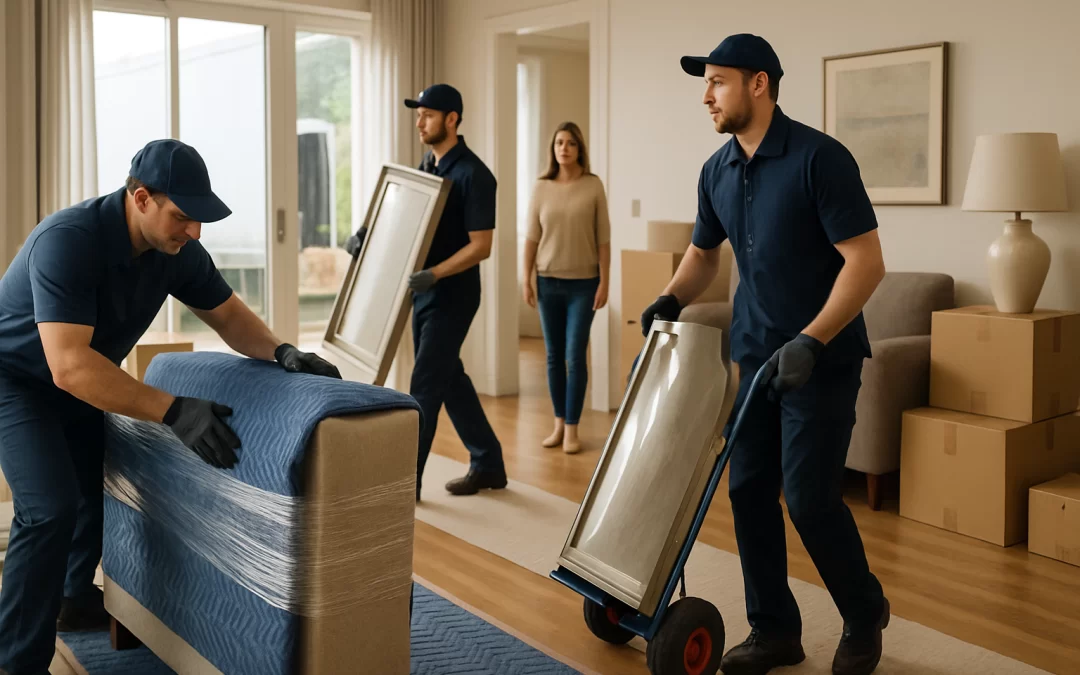
White glove long distance moving services offer a higher level of care, packing, and setup than standard moving services, but they can cost significantly more—often 25–50% higher or more, depending on how much help you choose. For many people with fragile items, busy schedules, or high-value furniture, the extra cost is worth it because it reduces stress and risk of damage. If you’re willing to do your own packing, disassembly, and setup, standard long distance movers are usually enough and much cheaper. The tradeoff is that you’ll spend more of your own time and effort, and you’ll need to be more hands-on with planning and preparation.
Planning a long distance move is already stressful, and deciding between white glove and standard moving services can feel like one more confusing choice. This guide is for individuals and families who want clear, honest information about what each service includes, what it really costs, and how to decide what’s right for your situation. You’ll find practical steps, cost ranges, and tips to help you compare quotes and avoid common moving problems.
Table of Contents
- What White Glove vs. Standard Long Distance Moving Involves
- Common Challenges and Mistakes to Avoid
- What to Do First: Step-by-Step Planning
- What to Expect: Timeline, Effort, and Logistics
- Costs, Quotes, and How Pricing Really Works
- White Glove vs. Standard Movers vs. DIY: How to Decide
- How to Compare Moving Quotes for White Glove and Standard Services
- Ways to Save Money Without Putting Your Move at Risk
- What Can Go Wrong and How to Avoid It
- Frequently Asked Questions
- Summary and Next Steps
What White Glove vs. Standard Long Distance Moving Involves
What is a standard long distance moving service?
Standard long distance movers handle the basics: loading your packed boxes and furniture, transporting them to your new home, and unloading. You are usually responsible for:
- Packing and labeling boxes
- Disassembling and reassembling most furniture
- Protecting fragile items with proper packing materials
- Unpacking and setting up your new home
This option works well if you’re willing to put in time and effort before and after moving day and you don’t have many specialty or high-value items.
What is white glove long distance moving?
White glove moving is a premium, full-service option designed to minimize your workload and protect delicate or high-value belongings. Depending on the company and package, white glove services may include:
- Professional packing of all or most items, including fragile and specialty pieces
- Custom crating for artwork, antiques, or electronics
- Furniture disassembly and reassembly
- Protective wrapping for doors, floors, and railings
- Unpacking and basic setup in your new home (placing furniture, unpacking boxes)
- Debris removal (taking away used boxes and packing materials)
Some movers also offer add-ons like temporary storage, TV mounting, or hanging artwork as part of their white glove packages.
Key differences between white glove and standard services
- Level of help: White glove is hands-on; standard is more do-it-yourself.
- Time you spend: White glove saves you many hours of packing and setup; standard requires more of your own time.
- Risk of damage: Professional packing and handling can reduce the risk of breakage, especially for fragile items.
- Cost: White glove services usually cost significantly more than standard moving.
- Stress level: White glove can make the move feel more controlled and less chaotic, especially for complex or large homes.
Common Challenges and Mistakes to Avoid
Common challenges with standard long distance movers
- Underestimating packing time: Many people start packing too late and end up rushed, leading to poorly packed boxes and more risk of damage.
- Improper packing of fragile items: Thin boxes, little padding, or mixing heavy and fragile items can cause breakage in transit.
- Not labeling clearly: Unlabeled or vaguely labeled boxes make unpacking stressful and slow.
- Disassembly surprises: Some furniture takes longer to take apart than expected, delaying move day.
Common challenges with white glove moving
- Cost shock: The quote can be much higher than a basic move, especially if you add full packing and unpacking.
- Scope confusion: Assuming “everything is included” when some tasks (like mounting TVs or installing appliances) may be extra.
- Scheduling: White glove crews may need more time in your home, so you must plan around packing days and delivery windows.
Mistakes people make when choosing between white glove and standard
- Choosing only by price without considering time, stress, and risk of damage.
- Overestimating how much they can realistically pack and move themselves.
- Not asking movers to clearly separate standard vs. white glove services on the quote.
- Skipping questions about what happens if something is damaged or delayed.
What to Do First: Step-by-Step Planning
Step 1: Take inventory of your home
Walk through each room and list:
- Large furniture pieces (beds, sofas, dressers, dining tables)
- Fragile or high-value items (art, antiques, glass cabinets, instruments, electronics)
- Specialty items (pianos, safes, gym equipment, large TVs)
This helps you see where you might benefit from white glove handling versus where standard service is enough.
Step 2: Be honest about your time and energy
Ask yourself:
- How many hours per week can you realistically spend packing?
- Do you have help from friends or family?
- Are you juggling work, kids, or other responsibilities during the move?
If your schedule is already full, paying more for packing and setup may be worth it.
Step 3: Decide what you want help with
You don’t have to choose all white glove or all standard. Many movers let you mix services, such as:
- Standard move plus professional packing for the kitchen and fragile items only
- Standard move plus furniture disassembly and reassembly
- White glove packing at origin but standard unloading at destination
Knowing your priorities before you request quotes will help you get more accurate pricing.
Step 4: Gather basic move details
Before you contact movers, have this information ready:
- Move date range (flexible or fixed)
- Current and destination ZIP codes
- Home size (number of bedrooms, approximate square footage)
- Any access issues (stairs, elevators, long walks from truck to door)
- List of special or heavy items
What to Expect: Timeline, Effort, and Logistics
Timeline for a standard long distance move
- 4–8 weeks before move: Start decluttering and packing non-essential items.
- 2–4 weeks before: Pack most of your home, label boxes, and confirm details with your mover.
- Move day: Movers load your packed boxes and furniture, then transport them.
- Delivery window: For long distance moves, delivery can take several days to a couple of weeks, depending on distance and route.
- After delivery: You handle unpacking and setup at your own pace.
Timeline for a white glove long distance move
- 2–6 weeks before move: Planning, in-home or virtual surveys, and detailed service selection.
- 1–3 days before move (or on move day): Packing crew arrives to pack and prepare items, often including furniture disassembly.
- Move day: Movers load everything, often more quickly because items are professionally packed and labeled.
- Delivery and setup: At destination, crew unloads, reassembles furniture, and may unpack and place items as requested.
How much effort you’ll personally put in
- Standard move: High effort. You handle most packing, organizing, and unpacking.
- Partial white glove: Moderate effort. Movers handle specific tasks like packing fragile items or furniture assembly.
- Full white glove: Low effort. You focus on decisions and oversight rather than physical work.
Costs, Quotes, and How Pricing Really Works
Typical cost ranges
Actual prices vary, but these ranges can help you plan:
- Local moves (within the same city or nearby): About $300–$1,500 for standard service, depending on home size and hours required.
- Standard long distance moves: Often $2,000–$8,000+ based on distance, weight, and services.
- Full-service or white glove long distance moves: Can be significantly higher, especially if you add full packing, unpacking, and specialty handling. It’s common for white glove quotes to be 25–50% more than basic long distance service, and sometimes more for large homes.
What affects moving costs
- Distance: Longer moves cost more because of fuel, time, and logistics.
- Size and weight of your shipment: More rooms and heavier items mean higher costs.
- Level of service: Packing, unpacking, crating, and setup all add to the price.
- Timing: Moving during peak season (summer, weekends, month-end) is usually more expensive.
- Access issues: Stairs, elevators, long carries, or limited parking can increase labor charges.
Hidden fees and extra charges to watch for
- Stair or elevator fees: Extra charges if movers must carry items up or down multiple flights.
- Long carry fees: If the truck can’t park close to your door and movers must walk a long distance.
- Shuttle fees: When a smaller truck is needed to transfer items from a large truck due to access limits.
- Heavy or specialty item fees: For pianos, safes, large appliances, or gym equipment.
- Last-minute changes: Rescheduling, adding items, or changing services close to move day can increase your total.
Why quotes vary between movers
Different companies use different pricing models, labor rates, and service packages. Some may include basic packing materials, while others charge separately. Insurance coverage, reputation, and how busy they are on your dates can also affect the quote.
To understand these differences better, you can review resources like the guide on long distance moving companies, costs, and how to choose the right mover to see how reputable movers structure their pricing.
How to get accurate estimates
- Request an in-home or virtual survey so the mover can see what you’re moving.
- Be clear about which services you want: standard only, partial packing, or full white glove.
- Ask for a written estimate that lists each service and fee separately.
- Tell movers about stairs, elevators, parking limits, and special items up front.
White Glove vs. Standard Movers vs. DIY: How to Decide
When white glove long distance moving is worth the extra cost
White glove services may be a good fit if:
- You have a large home (3+ bedrooms) and limited time to pack and unpack.
- You own high-value or fragile items that need expert handling.
- You’re moving with young children, health issues, or a demanding job that makes heavy physical work difficult.
- You want a smoother, more managed experience and are comfortable paying more for it.
When standard long distance movers are enough
Standard service is often a smart choice if:
- You’re willing and able to pack your own boxes carefully.
- Your home is smaller (studio to 2–3 bedrooms) with mostly standard furniture.
- You’re on a tighter budget and prefer to save money by doing more yourself.
- You don’t mind unpacking and setting up your new home over time.
When to consider DIY or hybrid options
Some people choose to handle most of the move themselves using rental trucks or portable containers, then hire help only for loading or unloading. If you’re comparing options like containers or rental trucks versus full-service movers, it can help to read comparisons such as PODS vs. U-Haul for a cross-country move or guides on self-service vs. full-service movers.
A hybrid approach can work if you’re comfortable driving or managing logistics but want professional help with the heaviest lifting.
How to Compare Moving Quotes for White Glove and Standard Services
Request at least 3 quotes
Comparing multiple movers helps you understand the normal price range for your move and spot offers that are too low or too high. Aim for at least three written estimates from reputable companies.
Make sure you’re comparing the same level of service
When you look at quotes, check that each one includes the same services:
- Is packing included? If so, for all items or only certain rooms?
- Does the quote include unpacking and debris removal?
- Are furniture disassembly and reassembly included?
- Are there extra charges for stairs, long carries, or special items?
If one quote includes full packing and another doesn’t, the price difference may not be a true comparison.
Questions to ask each mover
- What exactly is included in your standard service? What is considered white glove or full-service?
- Can you break out the cost of packing, unpacking, and specialty services separately?
- What type of valuation or protection is included if something is damaged?
- What is the expected delivery window for my move?
- Are there any situations where the price could increase on move day?
Red flags to watch for
- Very low estimates compared to others, especially without an in-home or virtual survey.
- Large deposits or cash-only requirements.
- Vague descriptions of services or refusal to put details in writing.
Ways to Save Money Without Putting Your Move at Risk
Use white glove services only where they matter most
You don’t have to choose all-or-nothing. To balance cost and convenience:
- Have movers pack only fragile items, artwork, and the kitchen.
- Do your own packing for clothes, books, linens, and non-breakables.
- Ask for a quote that separates packing labor and materials so you can adjust as needed.
Reduce what you move
The less you move, the less you pay, especially for long distance moves. Before getting quotes:
- Sell or donate furniture you don’t love or that won’t fit your new space.
- Recycle or donate old books, clothes, and unused items.
- Use up pantry items and cleaning supplies instead of moving them.
Be flexible with dates if possible
Moving during off-peak times (weekdays, mid-month, non-summer months) can sometimes lower your cost or give you more options. Ask movers if different dates would change your price.
Pack smart if you’re doing your own packing
- Use sturdy boxes and plenty of padding for fragile items.
- Label each box with room and a brief description of contents.
- Keep a “first night” box with essentials so you don’t need rush unpacking services.
What Can Go Wrong and How to Avoid It
Potential problems with standard moves
- Damaged items from poor packing: If boxes are overfilled, under-padded, or not sealed well, they’re more likely to be damaged.
- Delays due to underestimating time: If you’re not fully packed on move day, movers may need extra time or rescheduling.
- Stress and disorganization: Rushed packing can lead to lost items and a chaotic unpacking process.
How to avoid these issues: Start packing early, use quality materials, and label everything clearly. Be realistic about how long packing will take.
Potential problems with white glove moves
- Feeling rushed during packing: If you haven’t sorted or decluttered beforehand, packers may end up boxing items you don’t really want.
- Misunderstandings about what’s included: Assuming certain tasks are part of white glove service when they’re actually extra.
- Higher-than-expected final bill: If additional services are added on move day without clear agreement.
How to avoid these issues: Declutter before packers arrive, walk through your home with the crew leader, and confirm in writing what is and isn’t included.
General tips to protect yourself
- Get everything important in writing: services, dates, and pricing.
- Take photos of high-value items before they’re packed.
- Keep important documents, medications, and valuables with you, not on the truck.
Frequently Asked Questions
Is white glove moving worth it for a small apartment?
For a studio or one-bedroom apartment with mostly standard furniture, full white glove service is often more than you need. However, if you have fragile items, limited time, or physical limitations, partial white glove services like packing the kitchen and breakables can still be worth the extra cost.
How much more does white glove long distance moving cost than standard?
White glove services can add 25–50% or more to the cost of a standard long distance move, depending on how much packing, unpacking, and specialty handling you choose. The increase is higher for large homes or when you request full packing and setup at both ends.
Can I choose white glove packing but standard unloading?
Many movers allow you to mix and match services, such as professional packing at your current home and standard unloading at your new place. Ask each mover to itemize packing, loading, unloading, and unpacking so you can customize the level of help you receive.
Do white glove movers provide better insurance or protection?
White glove services often include more careful handling and better packing, which can reduce the risk of damage, but the actual coverage depends on the valuation option you choose. Always ask what protection is included and whether you can purchase additional coverage for high-value items.
When should I book white glove or standard long distance movers?
For long distance moves, it’s wise to start getting quotes 6–8 weeks before your move date, and even earlier during summer or peak times. Booking at least 4 weeks in advance usually gives you better availability and more time to prepare.
How many moving quotes should I get before deciding?
Aim for at least three detailed quotes from reputable movers so you can compare prices, services, and delivery windows. Make sure each quote clearly states whether it’s for standard service, partial white glove, or full white glove so you’re comparing similar options.
Summary and Next Steps
White glove long distance moving services offer more help with packing, protection, and setup, but they come at a higher price than standard moving. For busy households, large homes, or moves with many fragile or high-value items, the extra cost can be worth it in reduced stress and lower risk of damage. If you’re willing to do more of the work yourself and your budget is tight, standard movers or a mix of standard and selective white glove services may be the better fit.
Expect to pay around $300–$1,500 for local moves and $2,000–$8,000+ for long distance moves, with full-service and white glove options costing more depending on how much help you choose. Start by listing your priorities, deciding where you most need professional help, and then requesting multiple quotes that clearly separate standard and white glove services.
The most reliable way to control costs and stress is to plan early and compare several reputable movers. Get multiple long distance moving quotes, ask each company to break down standard vs. white glove options, and choose the level of service that matches your budget, schedule, and comfort level. The more informed you are now, the smoother your move will be from start to finish.
About the Author
This article was written by the team at Rex Direct, the owners of QuickMovingQuotes.com.
Rex Direct supports businesses and consumers throughout the moving industry by providing technology and data solutions that help homeowners compare moving services, understand pricing, and make informed relocation decisions.
Through their work with movers, relocation platforms, and lead generation services, the Rex Direct team has developed extensive insight into how interstate moving companies operate and how consumers can protect themselves during the moving process.