
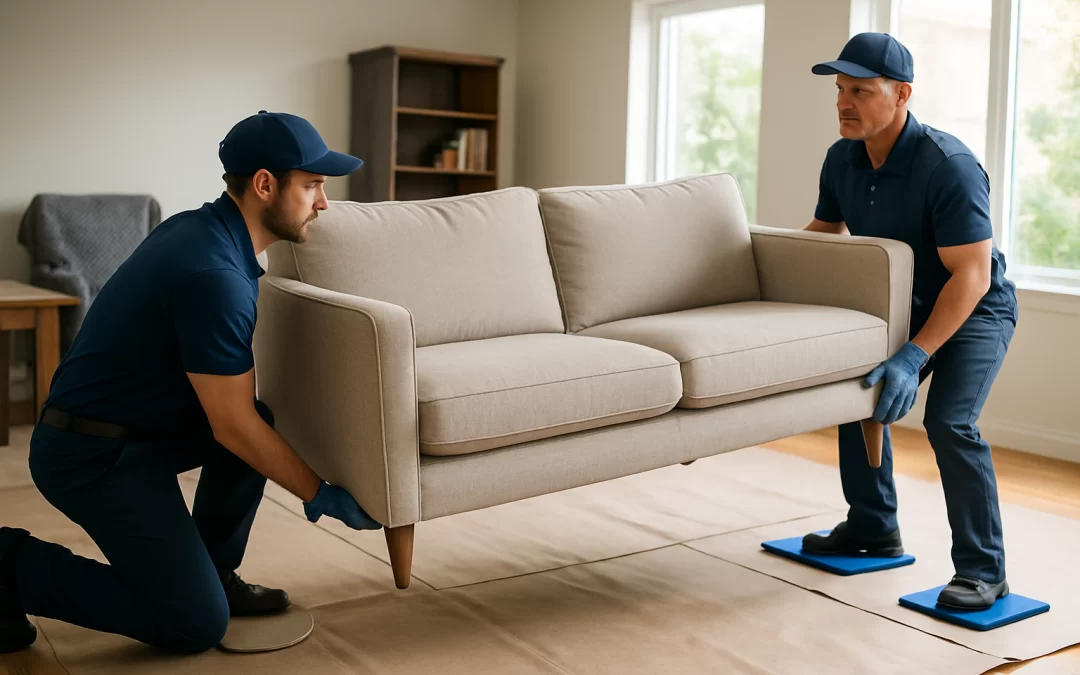
Furniture moving help usually means a mix of safe lifting methods, the right equipment, and deciding whether to hire professional movers or do it yourself. For a typical local move, expect to spend anywhere from a few hundred dollars for DIY truck rental and supplies to $300–$1,500 for professional movers, depending on how much furniture you have and how many helpers you need. Long-distance furniture moves often range from $2,000–$8,000+ when you include packing, loading, and transport. Doing it yourself can save money, but it increases the physical effort, time, and risk of damage or injury if furniture is not handled correctly.
Moving furniture is one of the hardest parts of any move, especially if you have stairs, tight hallways, or heavy pieces like sofas, dressers, and beds. This guide is for anyone planning a local or long-distance move who wants to protect their furniture, their home, and their back. You will find clear steps, realistic costs, and guidance on when to hire movers, when to DIY, and how to get accurate moving quotes.
Table of Contents
- What Furniture Moving Help Really Involves
- Common Furniture Moving Challenges and Mistakes
- What to Do First: Step-by-Step Furniture Moving Plan
- What to Expect: Time, Effort, and Logistics
- Safe Furniture Moving Methods and Damage Prevention Tips
- When to Hire Movers vs DIY Furniture Moving
- Furniture Moving Costs and How to Compare Moving Quotes
- Ways to Save Money on Furniture Moving
- What Can Go Wrong and How to Avoid It
- Frequently Asked Questions
- Summary and Next Steps
What Furniture Moving Help Really Involves
Furniture moving help is more than just lifting heavy items. It includes planning, measuring, protecting, and safely transporting each piece from one home to another.
Key parts of furniture moving
- Taking inventory of all furniture pieces, including fragile and oversized items.
- Measuring doorways, hallways, stairs, and elevators to plan the path out and in.
- Disassembling beds, tables, and modular furniture when needed.
- Wrapping and padding furniture to prevent scratches, dents, and tears.
- Using the right tools: dollies, straps, sliders, moving blankets, and hand tools.
- Loading the truck so items are stable and protected during transport.
Types of furniture moving help
- Full-service movers: They pack, protect, load, transport, and unload your furniture.
- Labor-only movers: You provide the truck; they provide the muscle and expertise.
- DIY with friends or family: You handle everything with borrowed or rented equipment.
- Hybrid approach: You move smaller items yourself and hire help for heavy or fragile furniture.
Common Furniture Moving Challenges and Mistakes
Most moving-day problems come from underestimating how hard it is to move furniture safely. Knowing the common mistakes helps you avoid damage, delays, and injuries.
Typical challenges
- Narrow staircases, sharp turns, and low ceilings that make large items hard to maneuver.
- Heavy pieces like solid wood dressers, sectionals, and appliances that require multiple people.
- Fragile surfaces such as glass, mirrors, and soft leather that scratch or tear easily.
- Weather issues like rain or snow that make floors slippery and furniture wet.
- Apartment rules, elevator reservations, or parking limits that restrict your moving window.
Common mistakes to avoid
- Trying to move heavy furniture without enough people or the right equipment.
- Skipping padding and blankets, leading to scratched floors, walls, and furniture.
- Not measuring doorways and stairwells before moving large pieces.
- Overloading boxes and mixing heavy items with fragile ones.
- Waiting until the last minute to book movers or rent a truck, which raises costs and stress.
If you are already feeling overwhelmed, it can help to read practical advice on reducing moving-related stress and anxiety so you can plan with a clear head.
What to Do First: Step-by-Step Furniture Moving Plan
A simple plan makes furniture moving safer and more predictable. Use these steps whether you hire movers or do it yourself.
Step 1: Decide what furniture is worth moving
- Walk through each room and list your major pieces: beds, sofas, tables, dressers, desks, and shelves.
- Consider the age, condition, and replacement cost of each item.
- Decide what to sell, donate, or discard before moving to reduce weight and cost.
If you have a lot to let go, consider hosting a sale; this guide on how to throw a successful yard sale before moving can help you turn extra furniture into cash.
Step 2: Measure and plan your paths
- Measure large furniture and compare it to doorways, hallways, and staircases in both homes.
- Plan the exact route for each big piece, including which doors to use and what needs to be removed (doors off hinges, railings, etc.).
- Reserve elevators or loading docks if you live in an apartment or condo.
Step 3: Gather supplies and tools
- Moving blankets, furniture pads, and stretch wrap.
- Furniture sliders for hardwood or tile floors.
- Hand truck (dolly), appliance dolly, and lifting straps if needed.
- Basic tools: screwdrivers, Allen wrenches, pliers, and a drill for disassembly.
- Mattress bags, plastic covers, and corner protectors for delicate pieces.
Step 4: Disassemble and label
- Take apart bed frames, table legs, and modular furniture to make them easier to move.
- Place screws, bolts, and small parts in labeled bags and tape them to the furniture or keep them in a clearly marked box.
- Label each piece with its destination room in the new home.
Step 5: Protect floors, walls, and doorways
- Use cardboard, runners, or old rugs to protect floors along main paths.
- Pad door frames and corners with towels or foam to prevent dings.
- Clear pathways of clutter, rugs, and cords to reduce tripping hazards.
Step 6: Load the truck strategically
- Load heavy furniture and appliances first, placing them against the walls of the truck.
- Use straps to secure tall items like wardrobes and bookcases.
- Fill gaps with boxes and soft items (pillows, bedding) to prevent shifting.
What to Expect: Time, Effort, and Logistics
Understanding how long furniture moving takes and how much effort is involved helps you plan your day and choose the right level of help.
Time estimates for furniture moving
- Studio or small 1-bedroom apartment: 2–4 hours with 2–3 people for loading; similar for unloading.
- 2–3 bedroom home: 4–8 hours with 3–4 people, depending on stairs and distance to the truck.
- Large home (4+ bedrooms): Often requires a full day or more, especially with many heavy or delicate pieces.
Effort and physical demands
- Expect repeated lifting, carrying, and maneuvering of bulky items through tight spaces.
- Stairs, long hallways, and long carries from home to truck add significant effort and time.
- If you or your helpers have back, knee, or shoulder issues, professional help is strongly recommended.
Logistics to coordinate
- Truck size and parking location near both homes.
- Building rules, elevator reservations, and move-in/move-out time windows.
- Weather conditions and daylight hours, especially in winter or very hot climates.
- Childcare or pet care so you can focus on the move.
Safe Furniture Moving Methods and Damage Prevention Tips
Safe methods protect your body, your furniture, and your home. A few simple habits can prevent most injuries and damage.
Safe lifting techniques
- Bend at your knees, not your waist, and keep your back as straight as possible.
- Keep the furniture close to your body to reduce strain.
- Lift with your legs and avoid twisting while carrying; turn your whole body instead.
- Communicate clearly with your partner: use simple commands like “up,” “down,” “stop,” and “step.”
Using equipment correctly
- Use a dolly for heavy dressers, stacked boxes, and appliances; strap items securely to the dolly.
- Place furniture sliders under heavy pieces to move them across floors without lifting.
- Use lifting straps for very heavy items, but only if everyone understands how to use them safely.
Protecting furniture from damage
- Wrap wood and upholstered furniture in moving blankets and secure with tape or stretch wrap (never tape directly to finished wood or leather).
- Use cardboard or foam between stacked items to prevent rubbing and dents.
- Remove drawers and shelves when possible to reduce weight and prevent shifting.
- Cover mattresses and sofas with plastic covers to protect from dirt and moisture.
Protecting your home
- Cover banisters and railings with blankets or towels.
- Use corner protectors or folded cardboard on sharp wall corners.
- Lay down non-slip runners or flattened boxes on high-traffic paths.
Special care items
- Glass tabletops and mirrors should be wrapped in bubble wrap, then cardboard, and transported upright.
- Antiques and high-value pieces may need custom crating or professional packing.
- Some items cannot be moved by standard movers, such as hazardous materials; review this list of items most moving companies refuse to move before packing.
When to Hire Movers vs DIY Furniture Moving
Choosing between hiring movers and doing it yourself depends on your budget, time, physical ability, and how complex your furniture situation is.
DIY furniture moving is better when:
- You have a small home or apartment with minimal heavy furniture.
- You have several reliable helpers who can lift safely.
- You are comfortable renting and driving a moving truck.
- Your budget is tight and you are willing to trade time and effort for savings.
Hiring professional movers is better when:
- You have many heavy, bulky, or fragile pieces (sectionals, solid wood, antiques, pianos).
- You live in a multi-story home or a building with stairs and tight hallways.
- You are moving long-distance and want predictable timing and less physical strain.
- You have health concerns or limited help from friends and family.
Hybrid approach: a smart middle ground
- Move boxes, clothes, and small items yourself over several days.
- Hire movers for a few hours of labor-only help to handle the heaviest furniture and loading.
- This can significantly reduce risk of injury and damage while keeping costs lower than full-service moving.
Furniture Moving Costs and How to Compare Moving Quotes
Furniture moving costs vary widely based on distance, home size, and how much help you need. Understanding the main cost drivers helps you budget and compare quotes fairly.
Typical cost ranges
- Local moves (within the same city or nearby): Usually $300–$1,500 for professional movers, depending on home size, number of movers, and hours worked.
- Long-distance moves (often 100+ miles or across states): Commonly $2,000–$8,000+ for a full household, with furniture being a major part of the weight and cost.
- Full-service moving (packing, furniture protection, loading, transport, unloading): Costs more than basic loading and transport, but saves significant time and effort.
What affects furniture moving cost
- Distance: Longer moves cost more due to fuel, time, and logistics.
- Weight and volume: More or heavier furniture means larger trucks, more movers, and higher cost.
- Home layout: Stairs, long carries, and difficult access increase labor time.
- Timing: Weekends, month-end, and peak moving season (summer) are usually more expensive.
- Extra services: Packing, disassembly/reassembly, crating, and storage add to the total.
Hidden fees to watch for
- Stair fees or elevator fees for multi-story buildings.
- Long carry fees if movers must walk a long distance from truck to door.
- Heavy item surcharges for items like pianos, safes, or large appliances.
- Fees for last-minute changes, rescheduling, or extra stops.
- Fuel surcharges or tolls on long-distance routes.
Why moving quotes vary
- Different companies estimate time and labor differently based on their experience and staffing.
- Some quotes include protective materials and basic insurance; others charge separately.
- One company may plan more movers for a shorter time, while another uses fewer movers for longer.
How to get accurate furniture moving estimates
- Provide a detailed inventory of your furniture, including approximate sizes and any special items.
- Share photos or videos of tight spaces, stairs, and tricky pieces.
- Ask for a written estimate that clearly lists what is included and what could cost extra.
- Understand the difference between binding and non-binding estimates; this guide on how moving quotes work explains the pros and cons.
How many quotes to compare and when to get them
- Collect at least 3 quotes from reputable movers so you can compare price, services, and reviews.
- Start getting quotes 4–8 weeks before your move date; earlier for long-distance or peak-season moves.
- Book as soon as you find a good fit, especially if you are moving at the end of the month or in summer.
Ways to Save Money on Furniture Moving
You can often lower your furniture moving cost without sacrificing safety by planning ahead and doing some tasks yourself.
Reduce what you move
- Sell or donate bulky, low-value furniture that is cheap to replace.
- Downsize duplicates, worn-out items, and pieces that will not fit your new space.
- Use a room-by-room approach; this guide on downsizing your space before a move can help you cut clutter and weight.
Do some of the work yourself
- Disassemble beds and tables before movers arrive.
- Pack small items and remove drawers to speed up loading.
- Move light boxes and small furniture yourself if you have time and a suitable vehicle.
Be flexible with timing
- Move on weekdays or mid-month when demand is lower.
- Avoid peak summer weekends if possible.
- Ask movers if they offer lower rates for off-peak days or shared loads on long-distance moves.
Choose the right level of service
- Consider labor-only movers if you can rent and drive the truck yourself.
- Use full-service moving only for the items you truly cannot handle safely.
- Be clear about your budget so movers can suggest cost-effective options.
What Can Go Wrong and How to Avoid It
Knowing the most common problems helps you take simple steps to prevent them.
Furniture damage
- Risks: Scratches, dents, broken legs, torn fabric, or shattered glass.
- Prevention: Use proper padding, avoid stacking heavy items on fragile ones, and secure everything tightly in the truck.
Home damage
- Risks: Gouged walls, chipped paint, damaged floors, and broken light fixtures.
- Prevention: Protect floors and corners, measure carefully, and use enough helpers to control each piece.
Injuries
- Risks: Back strains, falls on stairs, and crushed fingers or toes.
- Prevention: Use proper lifting techniques, wear closed-toe shoes with good grip, and do not rush heavy moves.
Delays and extra costs
- Risks: Underestimating time, truck too small, movers running into overtime, or building access issues.
- Prevention: Plan conservatively, choose a slightly larger truck, confirm building rules, and allow buffer time in your schedule.
Stress and decision fatigue
- Moving is emotionally and mentally draining, especially when you are juggling work, family, and logistics.
- Set realistic expectations, ask for help, and use checklists to stay organized; this guide on managing moving-related anxiety can help you stay calmer through the process.
Frequently Asked Questions
How much does it cost to move just furniture locally?
Moving only furniture locally with professional movers usually costs between $300 and $1,000, depending on how many pieces you have, how heavy they are, and how long the move takes. Costs increase if there are stairs, long walks, or difficult access. Labor-only movers can be cheaper if you provide the truck.
Is it cheaper to move furniture or buy new?
For inexpensive or older furniture, it can sometimes be cheaper to sell or donate it and buy new items after you move. High-quality, solid wood, or sentimental pieces are usually worth moving, even if they add to the cost. Compare the estimated moving cost for each large item with what it would cost to replace it.
How far in advance should I book furniture movers?
For local moves, booking movers 4–6 weeks in advance is usually enough, but more time is better during summer or at month-end. For long-distance moves or large homes, aim for 6–8 weeks or more. Early booking gives you better choice of dates and often better pricing.
Can movers disassemble and reassemble my furniture?
Most full-service movers can disassemble and reassemble common items like beds, tables, and some modular furniture. This may be included in the hourly rate or charged as an extra service, so ask in advance. If you have complex or custom pieces, send photos and details so the mover can confirm what they can handle.
How do I protect my couch and mattress during a move?
Use plastic covers or mattress bags to keep fabric clean and dry, then add moving blankets for extra padding on couches. Avoid placing heavy items on top of upholstered furniture in the truck. Secure everything with straps so it does not shift and cause tears or frame damage.
Should I tip furniture movers, and how much?
Tipping is not required but is common if the movers do a careful, efficient job. Many people tip $5–$10 per mover per hour for local moves, or a flat amount such as $20–$50 per mover for a full day, depending on service quality and difficulty. Always base the tip on your budget and satisfaction.
Summary and Next Steps
Safe, successful furniture moving comes down to planning, protection, and choosing the right level of help for your situation. Expect local professional furniture moves to range from $300–$1,500, and full household long-distance moves to run $2,000–$8,000+ depending on distance, volume, and services. You can reduce costs by downsizing, doing some tasks yourself, and booking early.
Your next step is to decide whether DIY, professional movers, or a hybrid approach fits your budget, timeline, and physical ability. Then, gather at least three detailed moving quotes so you can compare services, costs, and protections side by side. Planning ahead and getting clear estimates now will make moving day smoother, safer, and less stressful.
About the Author
This article was written by the team at Rex Direct, the owners of QuickMovingQuotes.com.
Rex Direct supports businesses and consumers throughout the moving industry by providing technology and data solutions that help homeowners compare moving services, understand pricing, and make informed relocation decisions.
Through their work with movers, relocation platforms, and lead generation services, the Rex Direct team has developed extensive insight into how interstate moving companies operate and how consumers can protect themselves during the moving process.